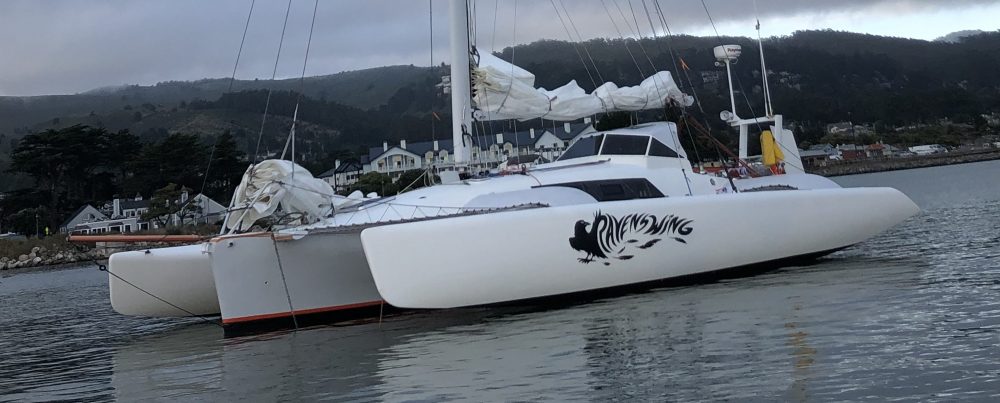
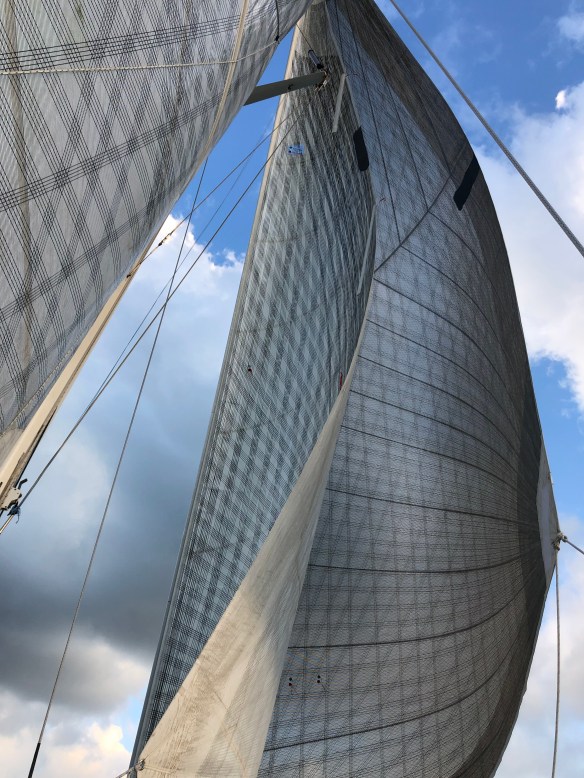
 wait, those aren’t Ravenswing’s sails?! Right you are, they’re F36/39 Hecla’s, drawing nicely off the southeast Florida coast. A big Thank You to owner Jeff for the opportunity to crew with him in moving the boat from Ft. Lauderdale to Belize. He’s sailed his other Hecla-named boats on many significant offshore singlehanded voyages & races. This week is setting up to be an amazing skills-booster for this aspiring F36 offshore skipper. Better to screw up on his boat and get pleasantly coached back to safety :)
F36 Hecla was first named Screech, a boat you see on Farrier’s website F36 page. It’s the all-white one with a cassette rudder and three aluminum-framed cabin windows.
We had a long week of prep work, unfortunately having much more of a punch list than Jeff expected, due to some pro marine services folks not getting their stuff fully completed. I flew out last Saturday night and dived in to a week of boat-builder mode again. Except boy is that different in hot humid weather. Colin, I was drenched in five minutes!
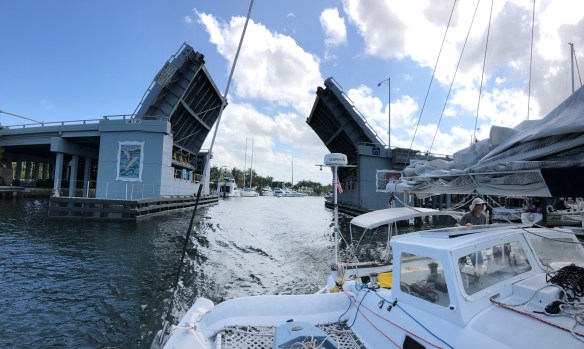
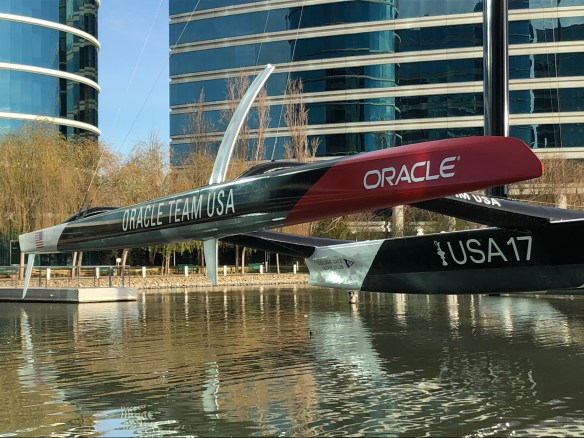
Hecla had been docked side-tied to the dark-hulled boat in this photo. 
That’s the Davey Ave drawbridge on the river in FtL. It was an odd week living under a bridge! Including big iguanas hissing at us when we passed thru the homeowner’s side yard. We finally got to cast off yesterday at 3:30, transiting four drawbridges on a busy Lauderdale Saturday party afternoon. I’ll post some video once back home on WiFi. 
 We got to the Atlantic at 5pm, hoisted the main, jib and screacher for a mellow 9kts cruise down the Miami coast.
 We’re anchored just off the first FL “Keys”, and I’m writing to you at sunrise. We’ve found a half dozen minor rig tuning tasks for this morning, then we point these bows for Cuba. We won’t be landing, but will pass just north of Cuba then head west towards Cancun, MX. Near there it’s a left turn south towards the divers’ hot spot reefs off Belize. Hopefully we’ll do the 700+ miles in 3.5 days and have time for exploring The Blue Hole. Then it’s on to the airport in Placencia BZ for me, and Jeff will solo his boat on a diving / kayaking / sailing vacation.
So, our good ship is loaded up with voyaging supplies. It does feel different from sailing Ravenswing in her current day-sailor mode. The skipper is a racer and so was a good sport about me trying to give away a bunch of heavy, unnecessary-to-us stuff from the boat’s prior FL coastal cruising life. Hecla and her crew are eager to speed-reach across the Gulf of Mexico this week! The weather forecast has shaped up for steady downwind trades and sunny skies. Break out the sunblock and spinnaker sheets, baby…
So there’s your teaser and now you’ll have to wait until I get back online next week. Jeanne and the boys have satellite phone access to us, but otherwise I’m so happy to unplug and get back to nature.
Signing off from south of Miami. 
 A week back four of us sailed out the Gate and up to Duxbury Reef in light wind. It was great just to have a mellow, mindless sail. But by 4pm the wind died way down for our slow cruise home. It was the first time docking in the dark, and yea, we didn’t quite catch the dock cleat on the first pass :)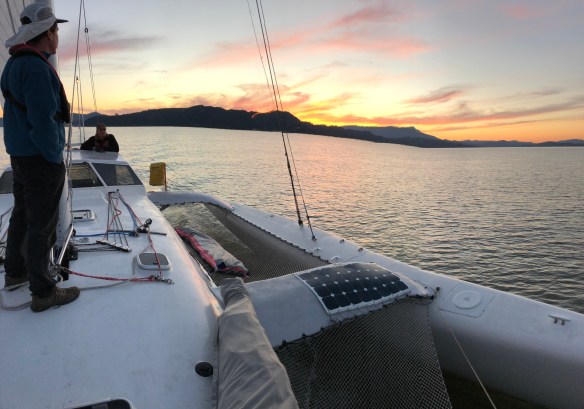


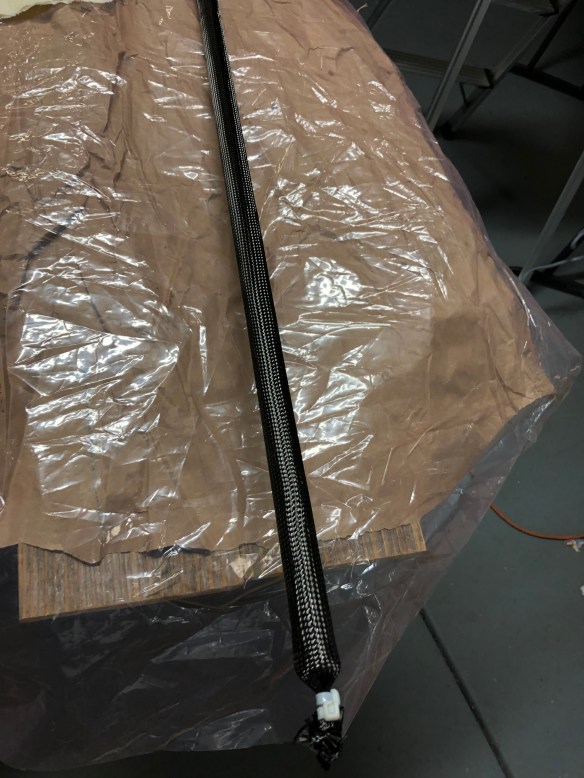
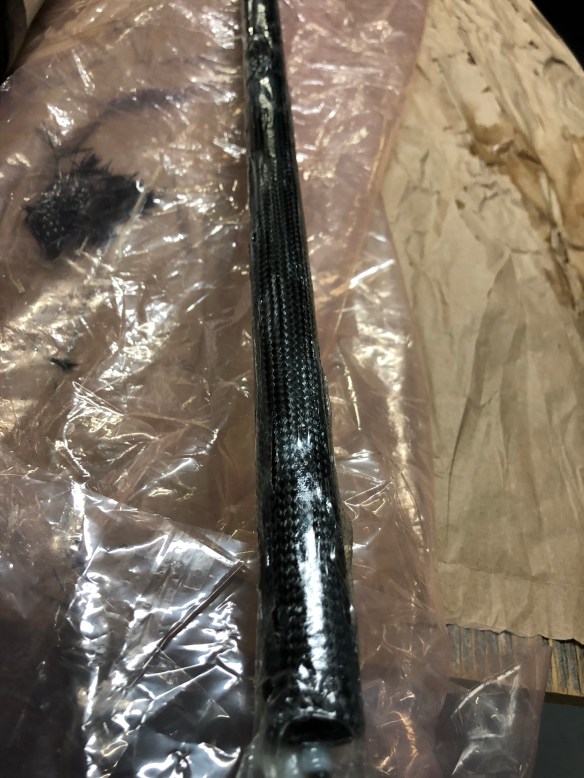
 then a 6′ piece of tubular braided carbon from Soller Composites (easy find online) for about $10, and $13 of their tubular shrink wrap.
  Rough sand and alcohol clean the tube for epoxy grip, then slide on the carbon and zip tie the ends to hold it tightly in place.
  Make a big mess by hand messaging the epoxy in to the weave. Be very manipulative- remember my rant a few months back about properly saturating carbon cloth.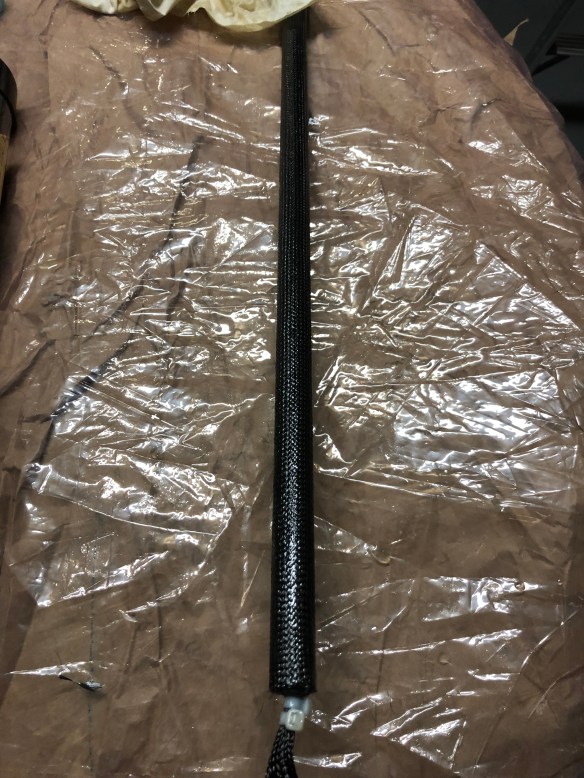


 70lb Lola and I had the Takacat up to 17kts, so this feels plenty fast for Ravenswing’s excursion boat. I told Jeanne we finally had this item on the list properly sorted.
 Our boss in red, and Carlos the XO of the boat.
  I was very excited to finish a few seconds ahead of the new fully foiling tri. We have two of them here so far and hopefully SFBay becomes a showcase of this new tech. But this race wasn’t enough wind for them to fly away from the rest of us. (Check out the helmets!)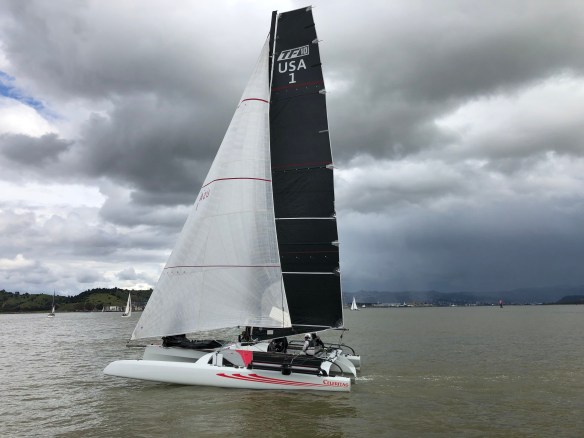
 We finished the day headed back to Rick’s Oakland dock with a close up of a huge container ship. The tugs are tucking it in between the others under the cranes.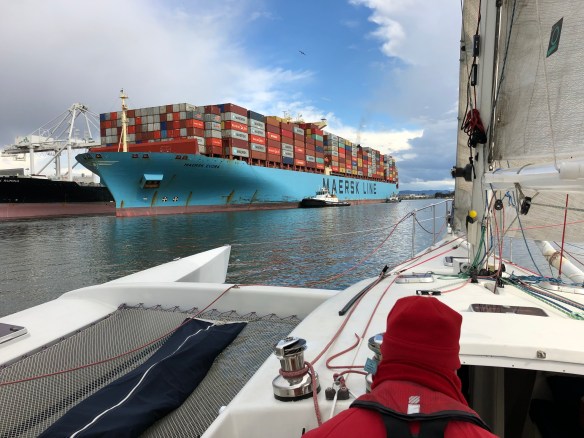


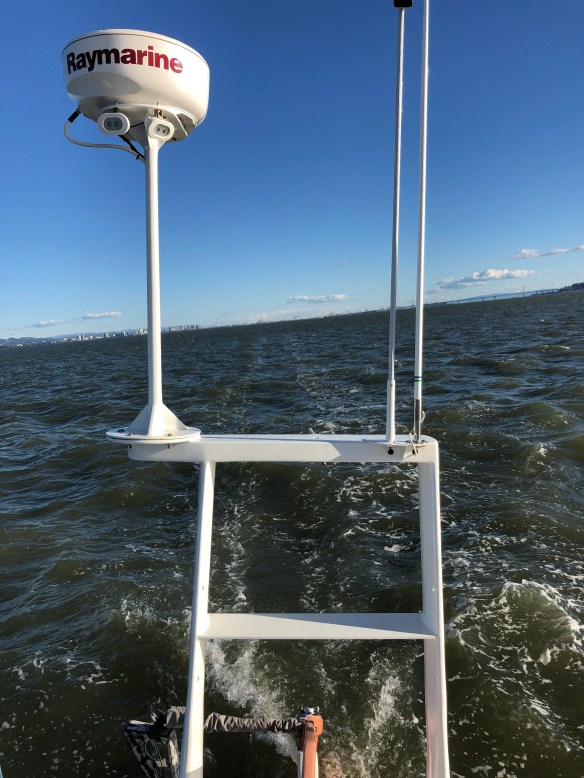
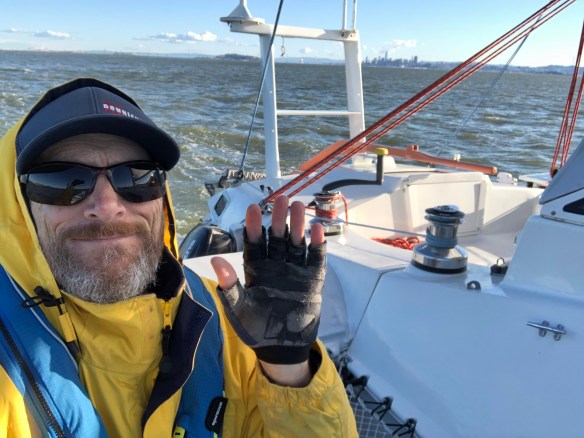

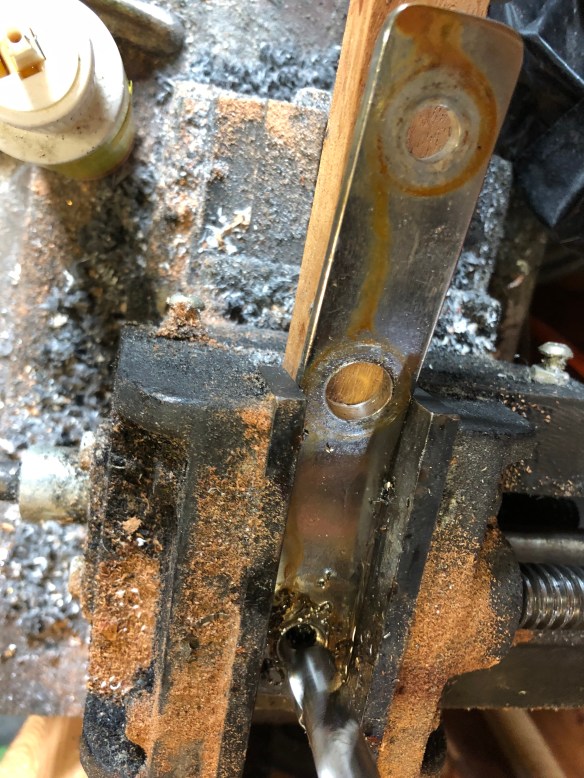
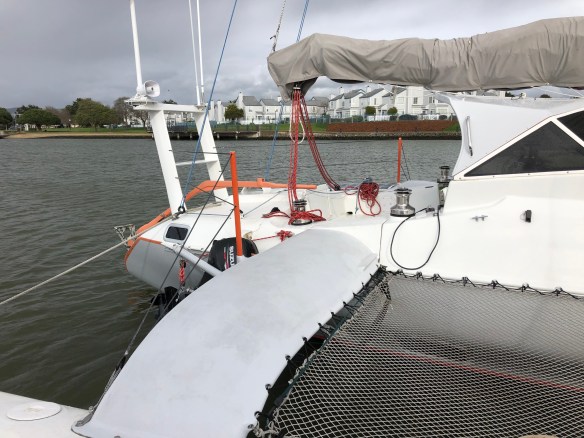
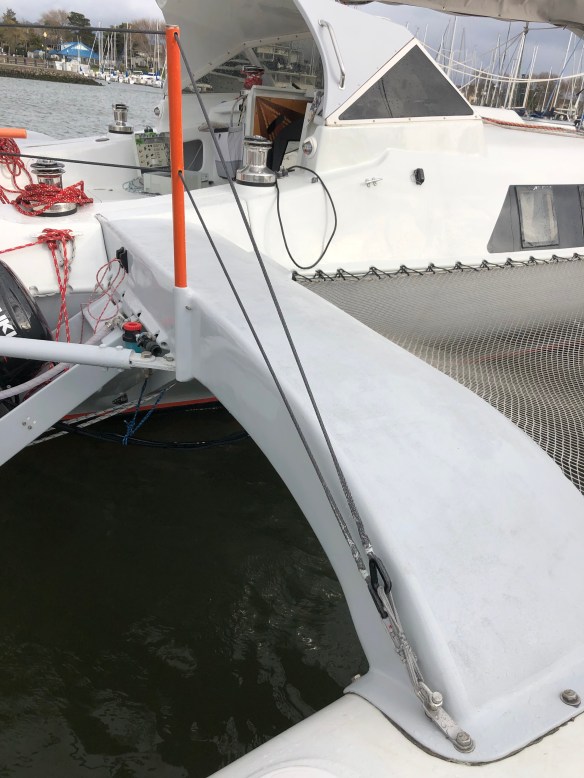

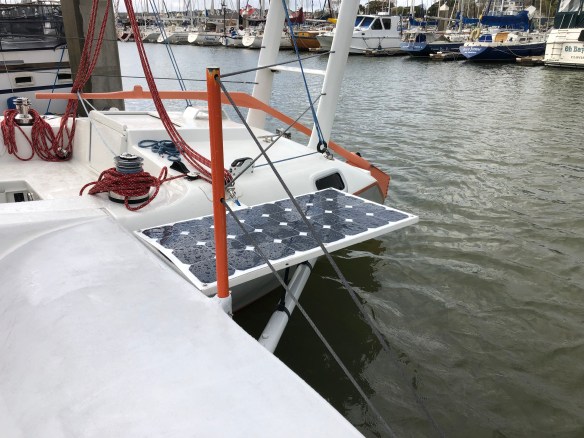


 It was supposed to be sexy exposed carbon weave, but the square tube shape was tricky to mold and there were various little wrinkles and gaps, so they needed fairing then paint like everything else. This all got started last June visiting Skateaway when Keith impressed on me the problems with leaving heavily loaded halyards in the teeth of rope clutches during ocean passages. So now the sails will be raised and trimmed with the help of the clutches, but once underway the lines get cleated on these new pins then the clutches eased off.
 This monitor is fed by the little red wires (yes Anton I fused each one) strapped along the battery-holder braces.
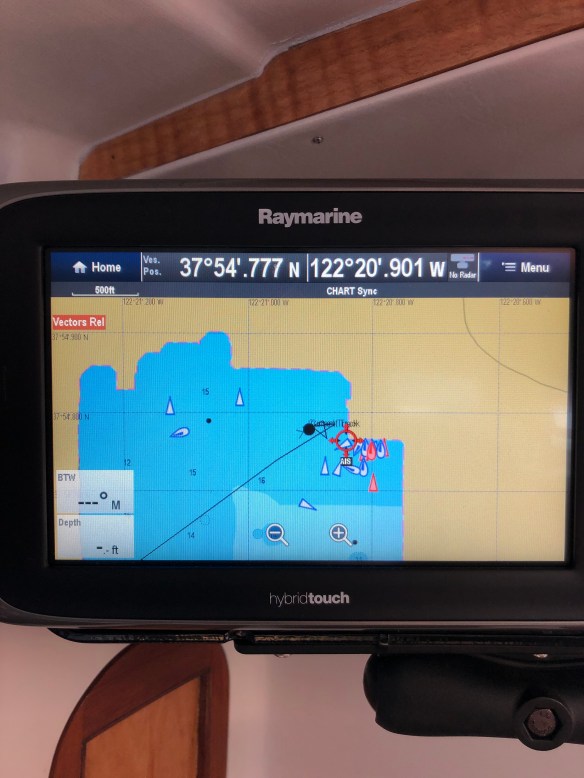
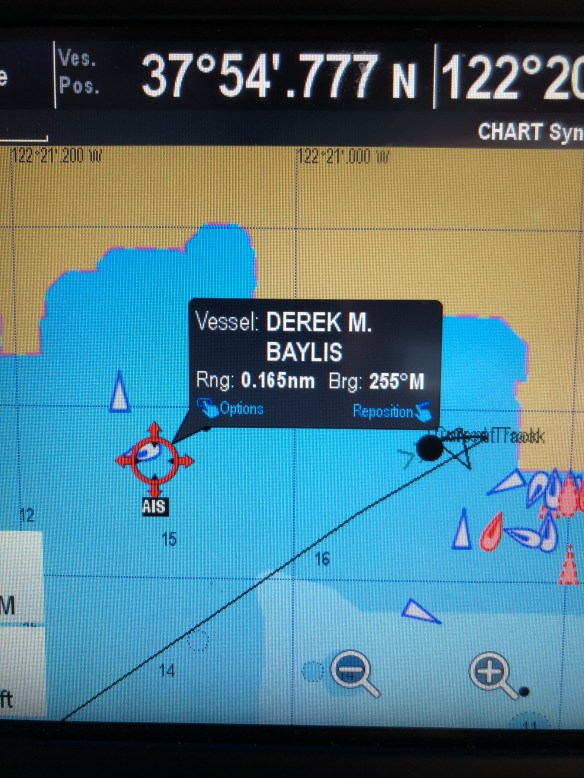
 We bought this fancy chartplotter system and I’m old enough to freak out that it didn’t come with a manual. The online version didn’t make it clear that the charts seem to require the microSD card to stay in the unit in order to be used. So again, to those of you who sailed with this thing, I figured out today we DID have the detailed charts in there. Just needed to switch the viewing source.
 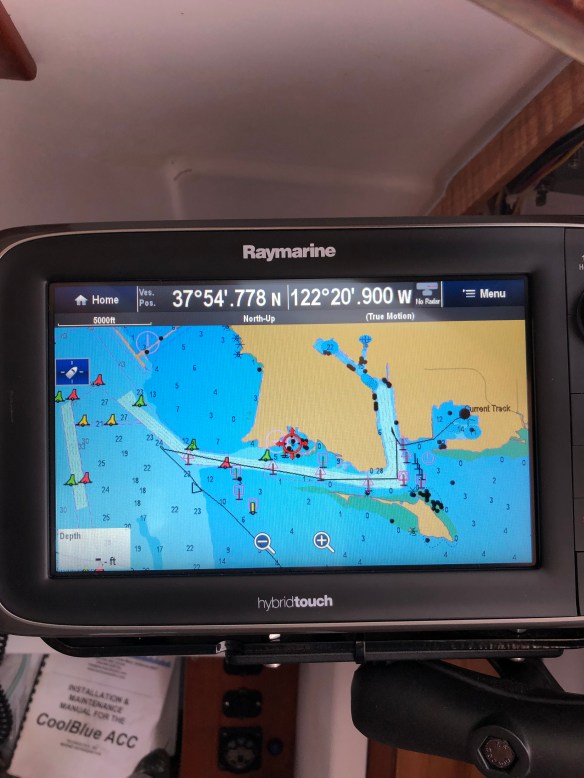 I think we’ll step up to the Navionics charts that we’ve come to really like on the iPad/phone.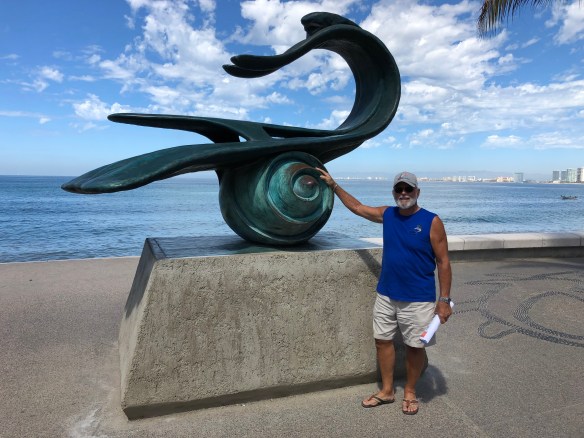

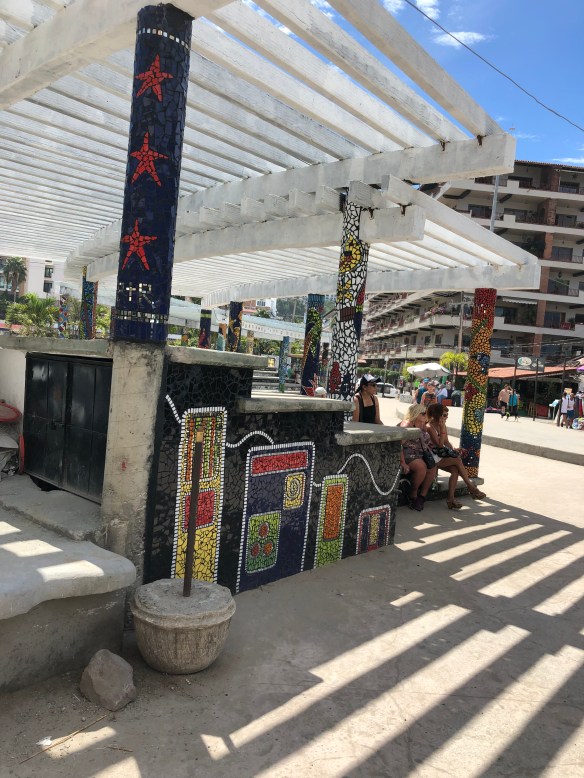 Here’s the view from their front patio.
  We visited all the primary guest marinas, and I’m leaning towards the vibe at LaCruz / Punta Mita. There’s also a very good free anchorage with easy town access. Ravenswing got ‘cleared’ to enter the MexOrc races next March. Hopefully in a different class from the MOD70 tris!
 We even made time to visit the embroidery shop, and they did a great job translating the boat’s graphics to crew-wear.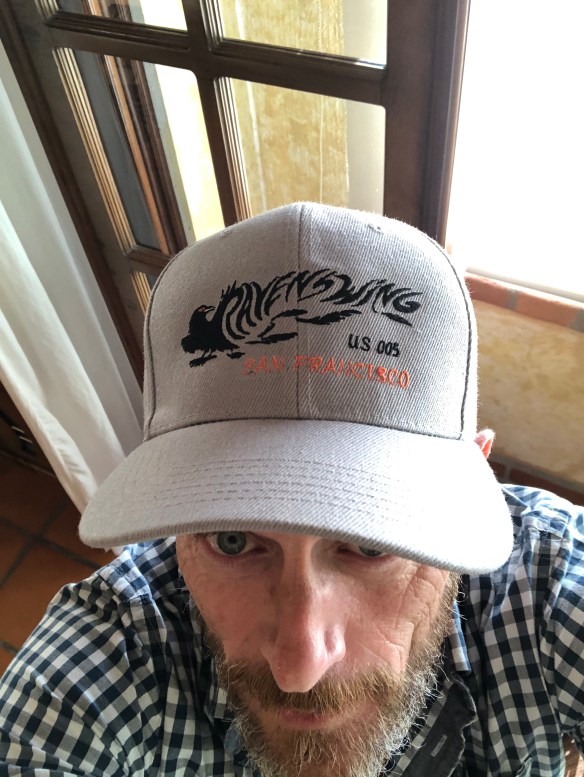


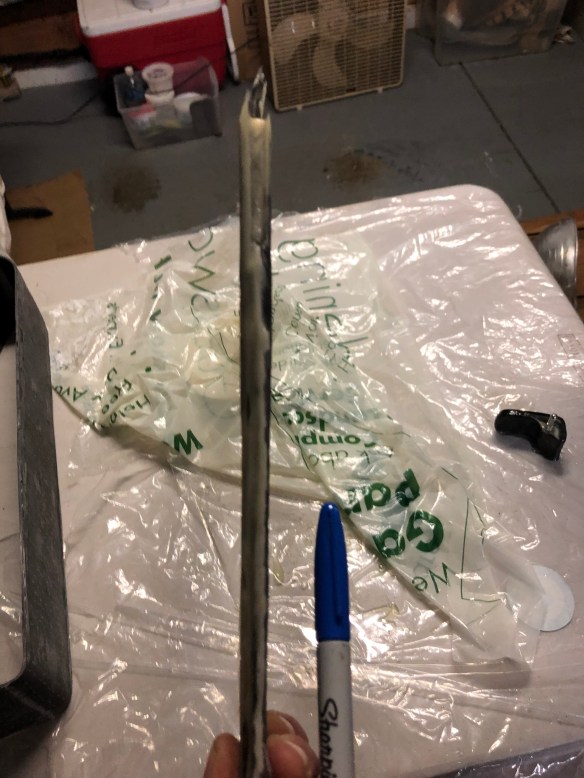
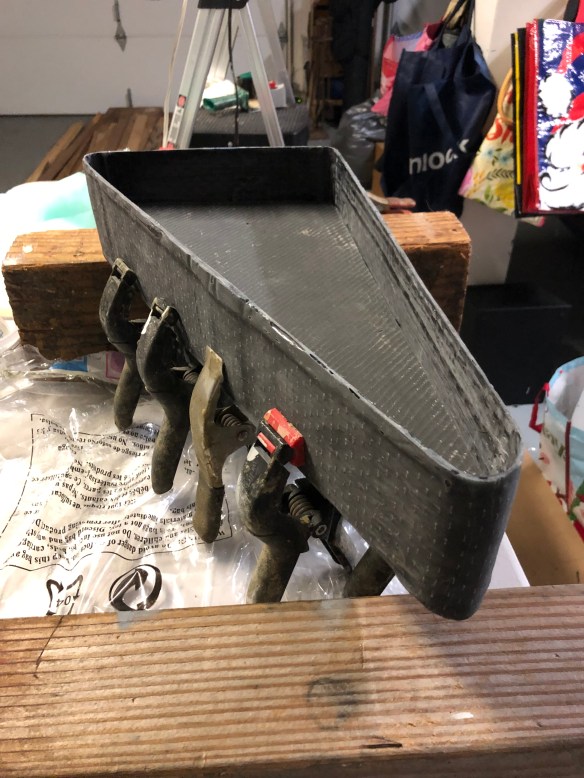

 Then it’s down to the boat for a trial fit.


 Drew had his 10yr old son and an Opti sailing friend driving the FBoat. LOVE to see the magic being passed along to the next gen. :)
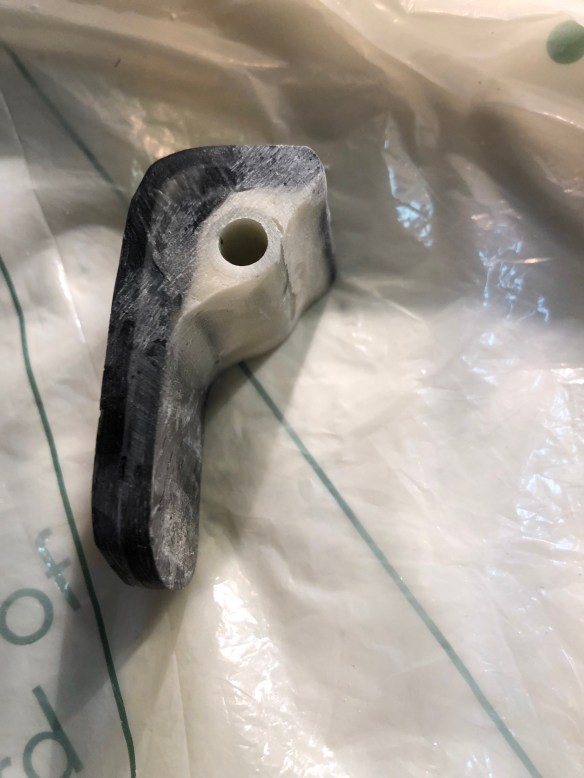
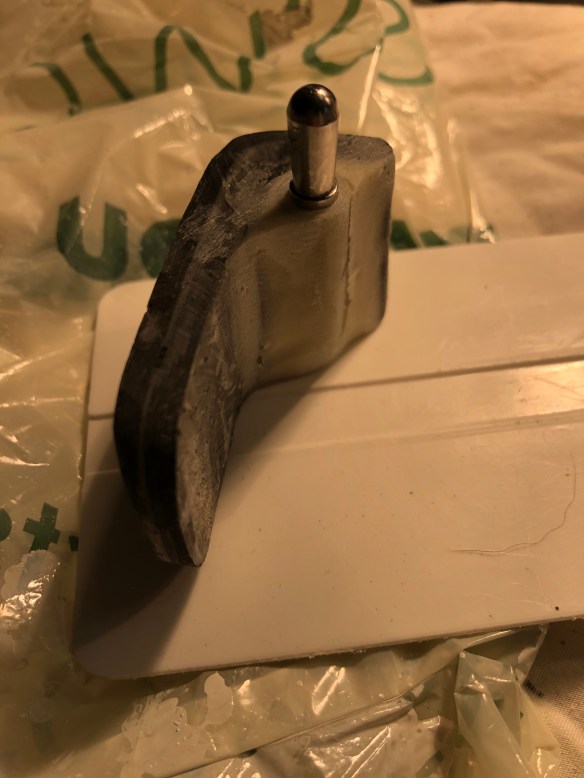 In those photos the inside of the tube has no reinforcements yet holding it in place.
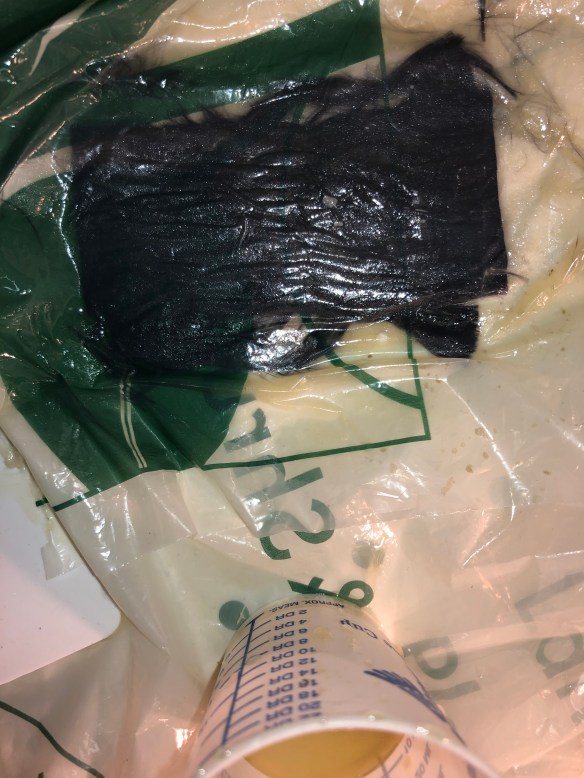 there’s a temporary piece of plastic above and below this fabric, and I’m literally mashing the resin down into the three layers of fabric. Load up your spatula and gloves, and really press the resin through the carbon. On bigger projects we put it in a bag, place on the ground and walk on it. If you don’t ensure this extreme of resin penetration in your wet layups, you’ll likely find disappointingly dry fibers when you cut in to a sample job. That’s not a strong composite.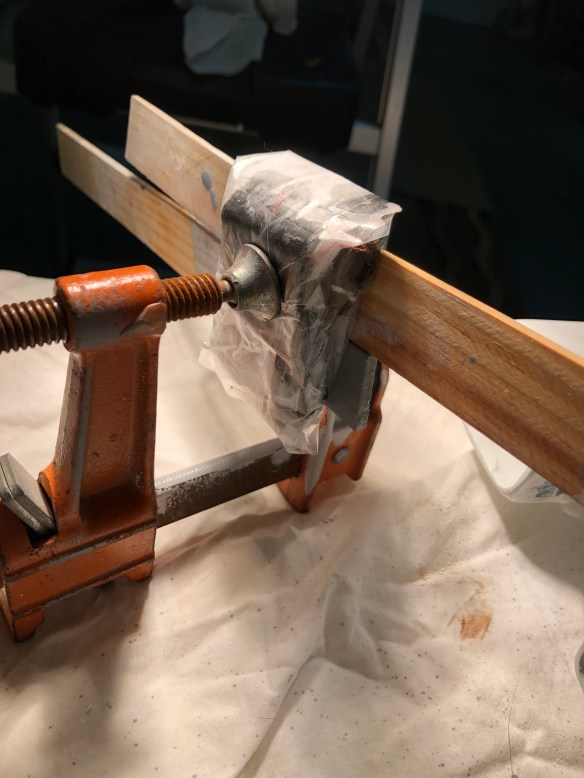
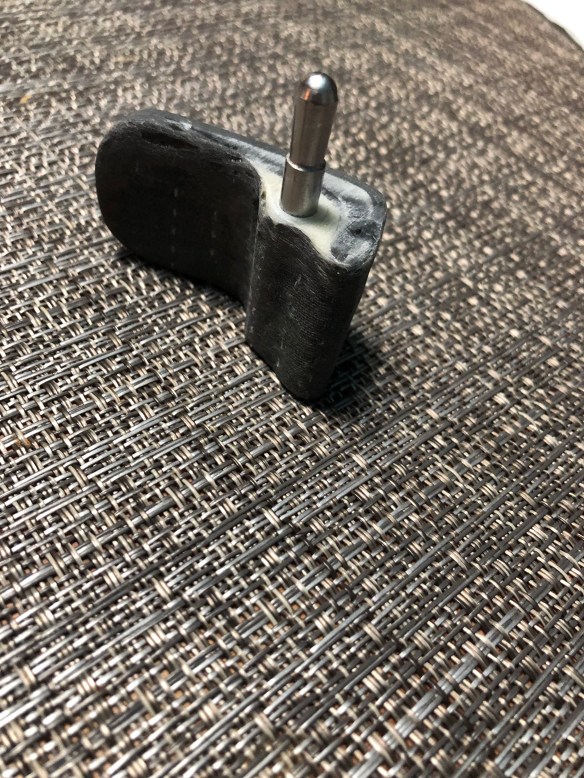
 Here we go making the wood form, applying four layers of 16oz uni fabric wrapped all the way around and 2″ overlap tabbed.

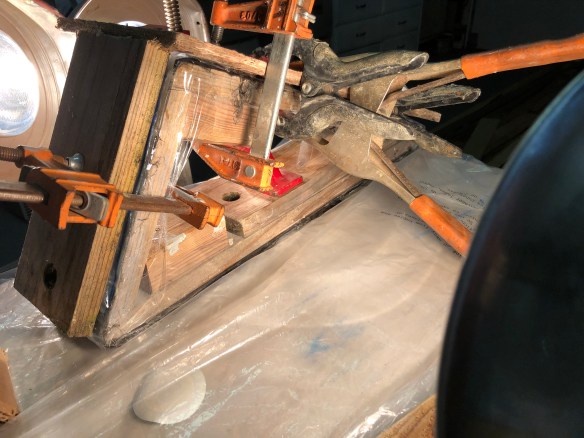

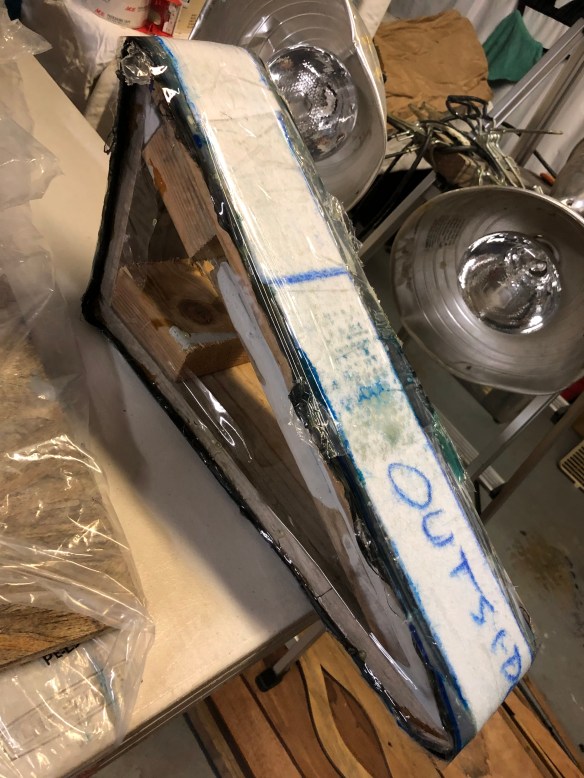
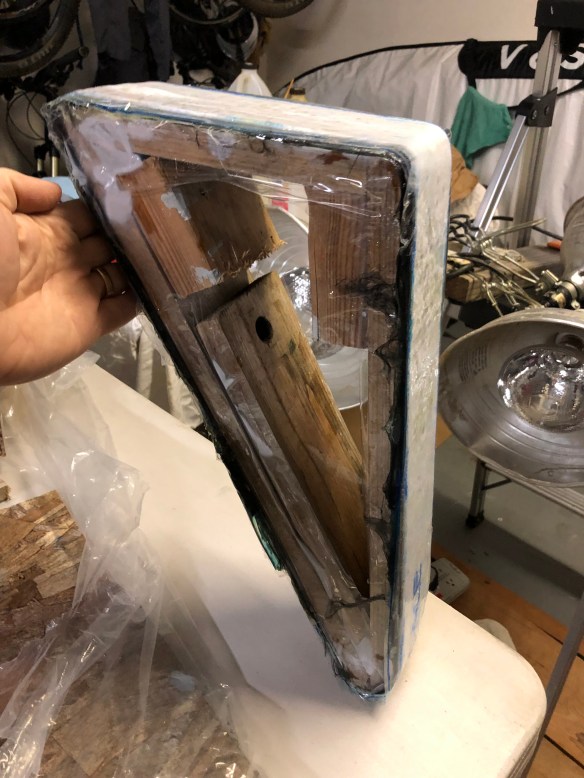

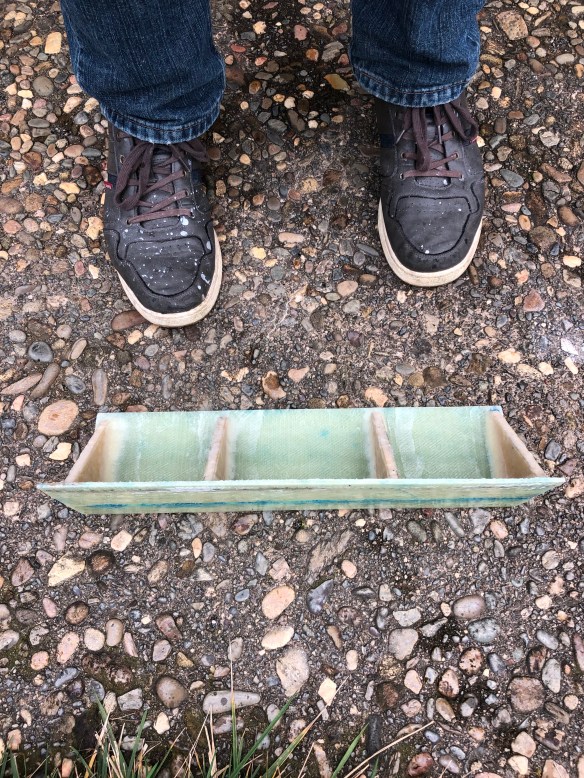
 Took it to the boat this afternoon and it fits well. Tomorrow it’ll get a stiffening panel to fill the interior of the triangle.
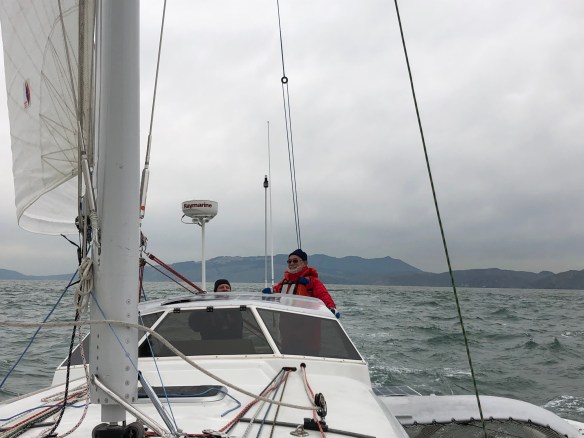 We found a little breeze a couple miles out past the Golden Gate, and ignored the clock enough to be putting on sail covers in the dark. Got to show off the deck lights to the boys.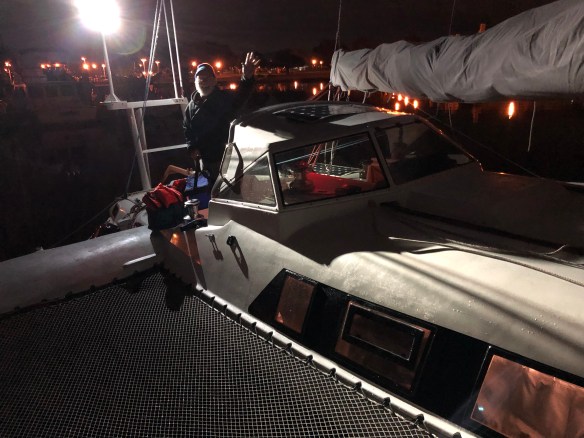


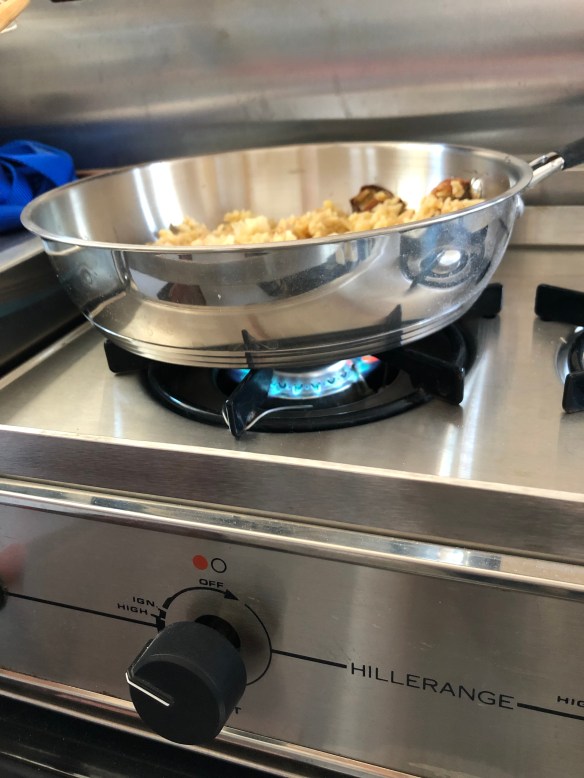 Time to go get coffee and cocoa fixings to beat back the weather!
 His Dad Joe is a sailing captain, mom owns a Santa Cruz 50, Aunt & Uncle with Ravenswing; well let’s just say he has some sea miles ahead of him.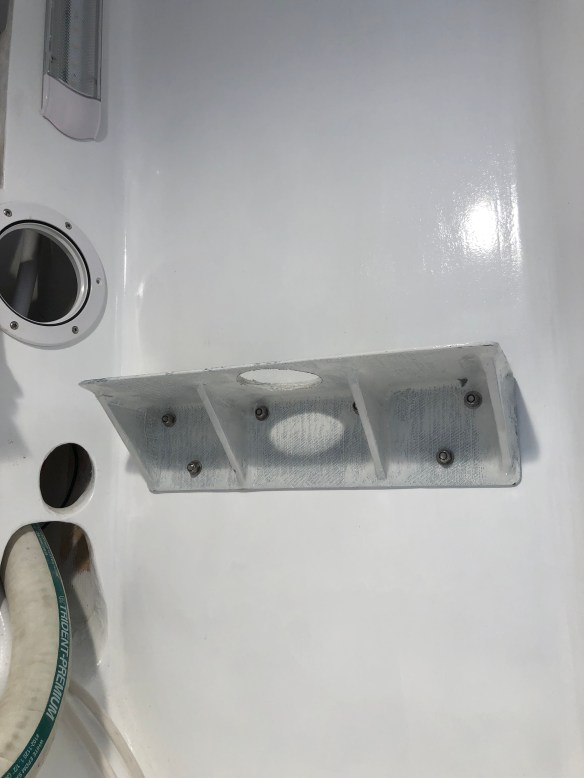
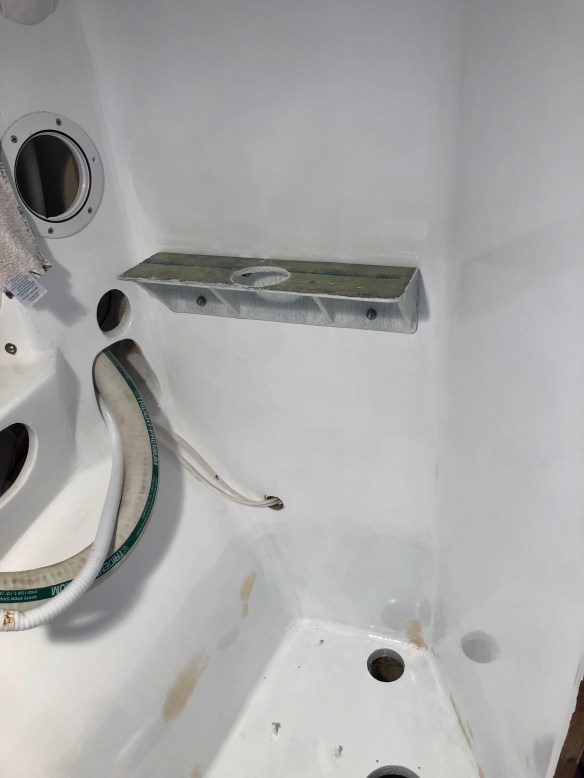
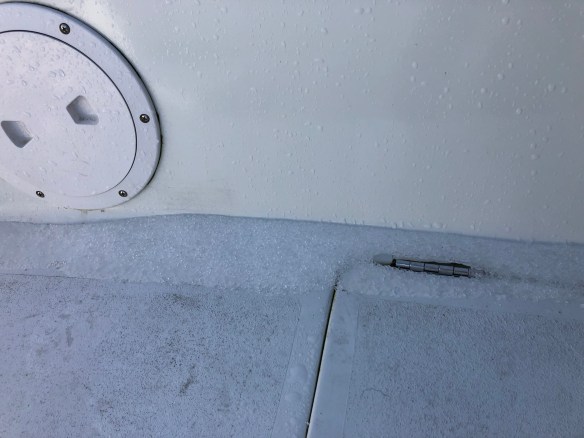
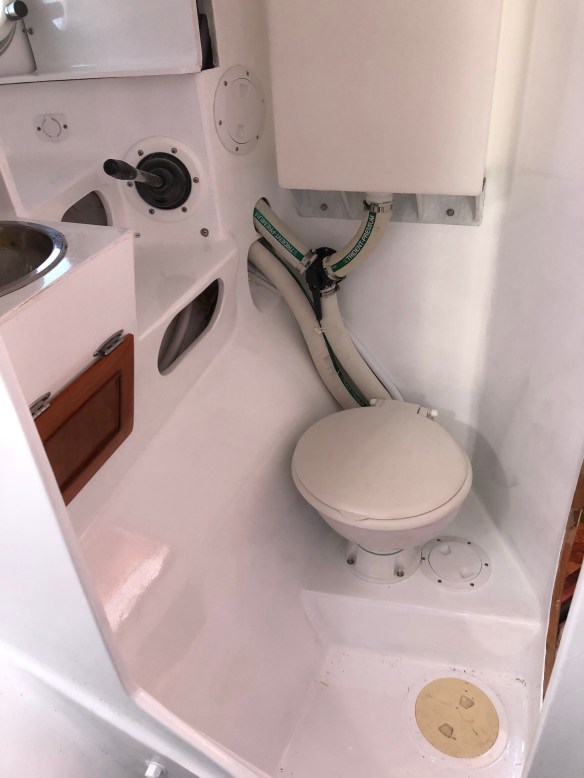
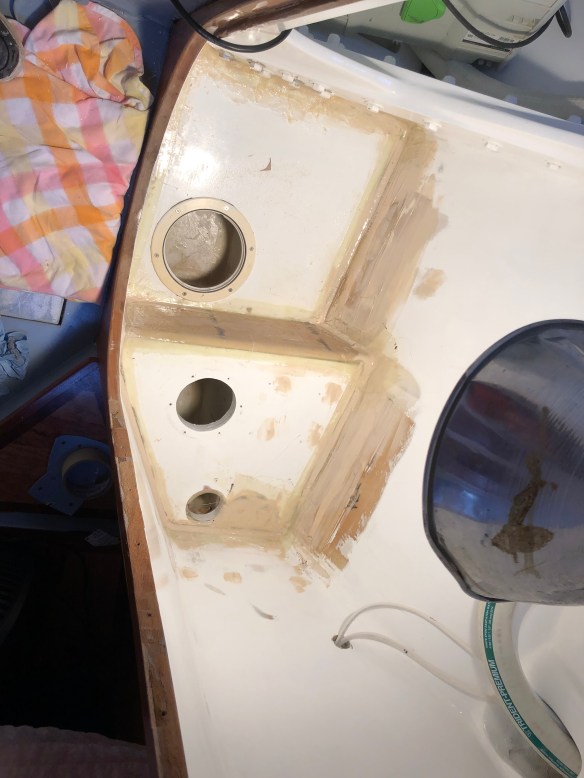
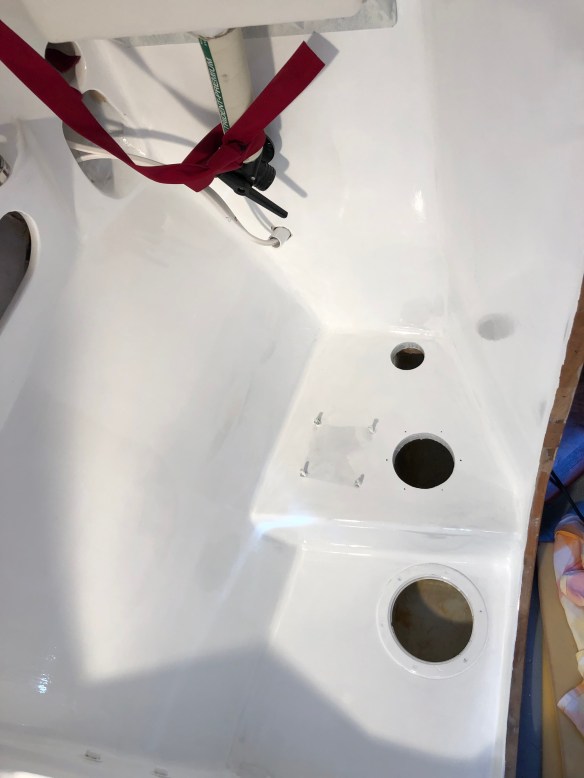 One more paint coat and the plumbing reinstall this weekend will put the head back in business.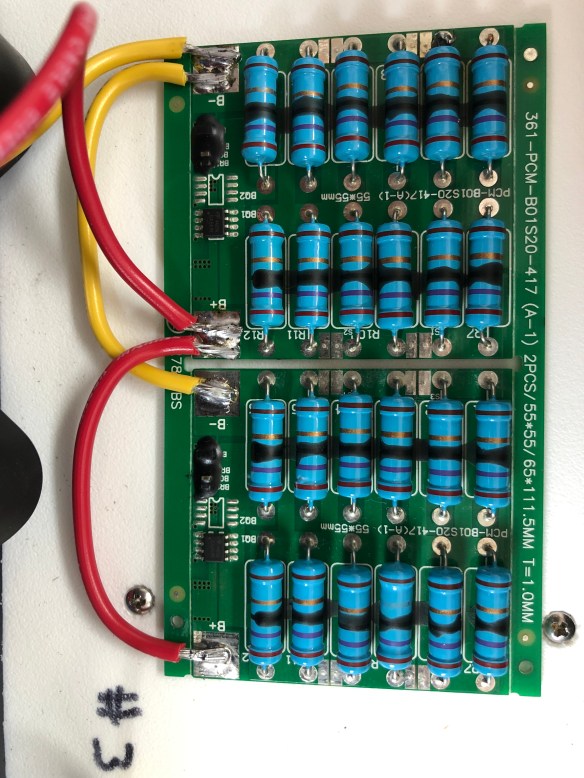
 what you’re looking at (the green circuit boards mounted above the batteries) are charge balancing modules to regulate the pace at which the four “cells” of this battery bank rise in charge voltage. The risk in an LiFePO4 bank is the cells getting out of voltage balance from their neighbors, and potentially ruining sections with out-of-range values. With these little control boards, when one cell reaches 3.6volts (its full charge), the incoming voltage is converted to heat in those blue resistors. That cell is effectively bypassed from further charging while the others catch up. That’s as simple as I can say it, but there’s more going on with the numbers. It’s a crude version of a Battery Management System, and we’re judging it sufficient for our solar-only gentle charging regimen. Coming up soon we’ll install the CellLog that monitors and alarms each of the four cell voltages that get out of range. That will complete our safety installation.
 YESSSSSS! As soon as the autopilot install is done, we’ll get out and test/tweak/learn all this gear.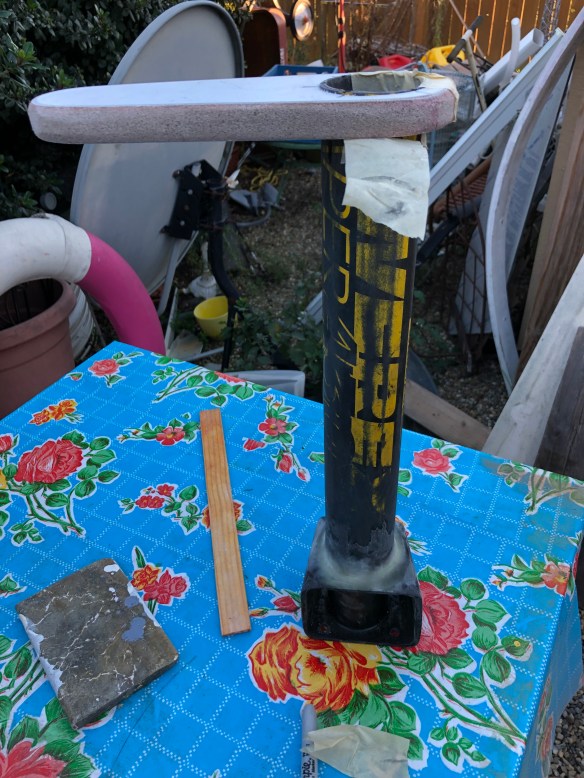

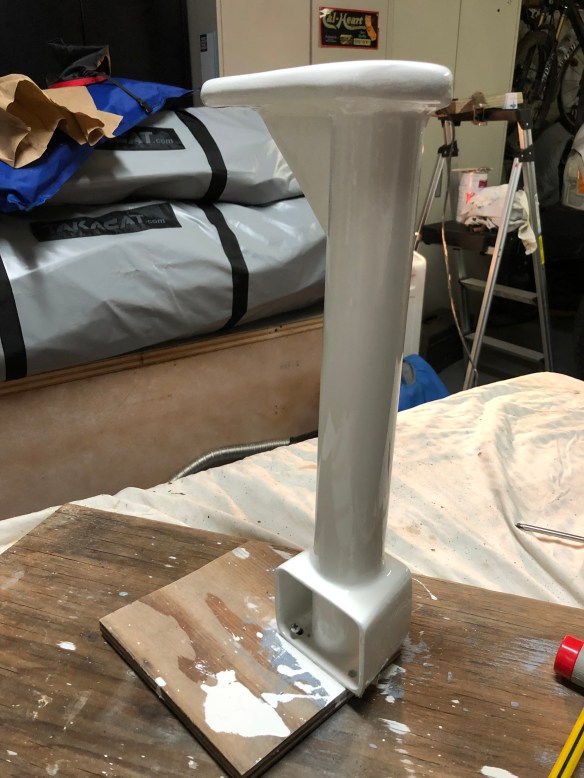
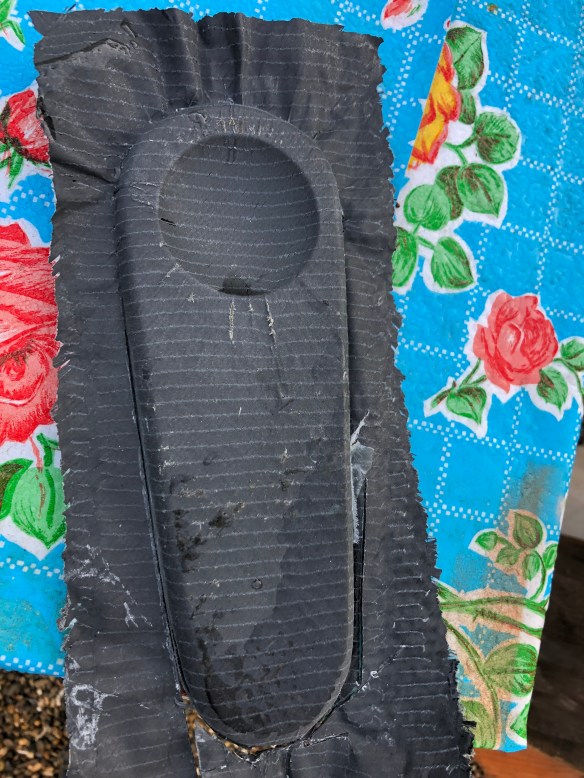 it’s bonded together now, faired and primed. Paint coat tomorrow if this rain departs for points east.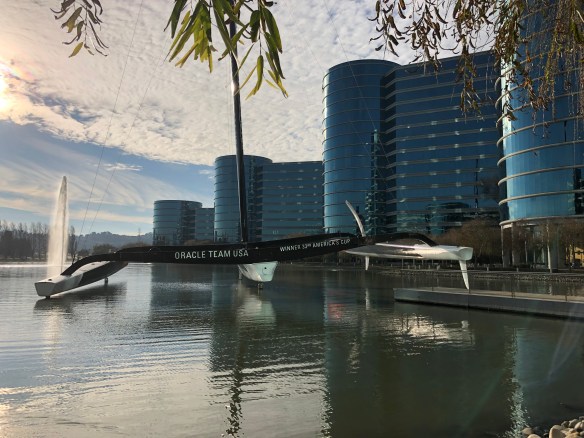



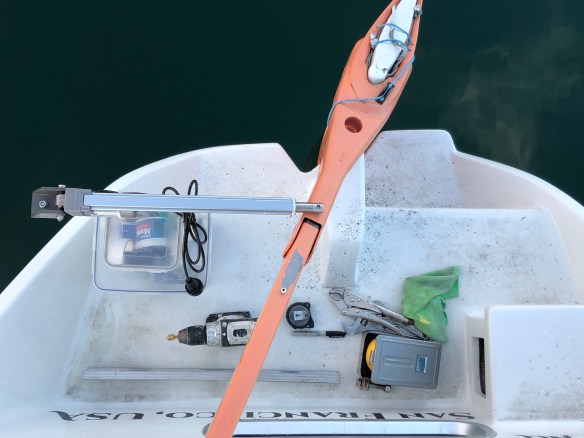
 the base bracket is an offcut scrap from the first (didn’t like the feel) steering iteration. Repurposing these quality carbon pieces saved a bunch of time, and was free! The bracket will mount in these four holes, and the power cable gets an outlet plug in the transom.
 That hideous photo is after hand pumping three buckets and trudging them up to the Marina toilet, then ripping out the tank that we had spent days building a few years ago. GROSS! (If you really want to see the old tank, search on the Plumbing link at the home page, back in late 2015 I think)



 I doubt it will plane.
 Farrier F36/F39 Ravenswing - Trimaran Sailing