Just rewards

This one’s for Schildknecht

20160403-222818.jpg
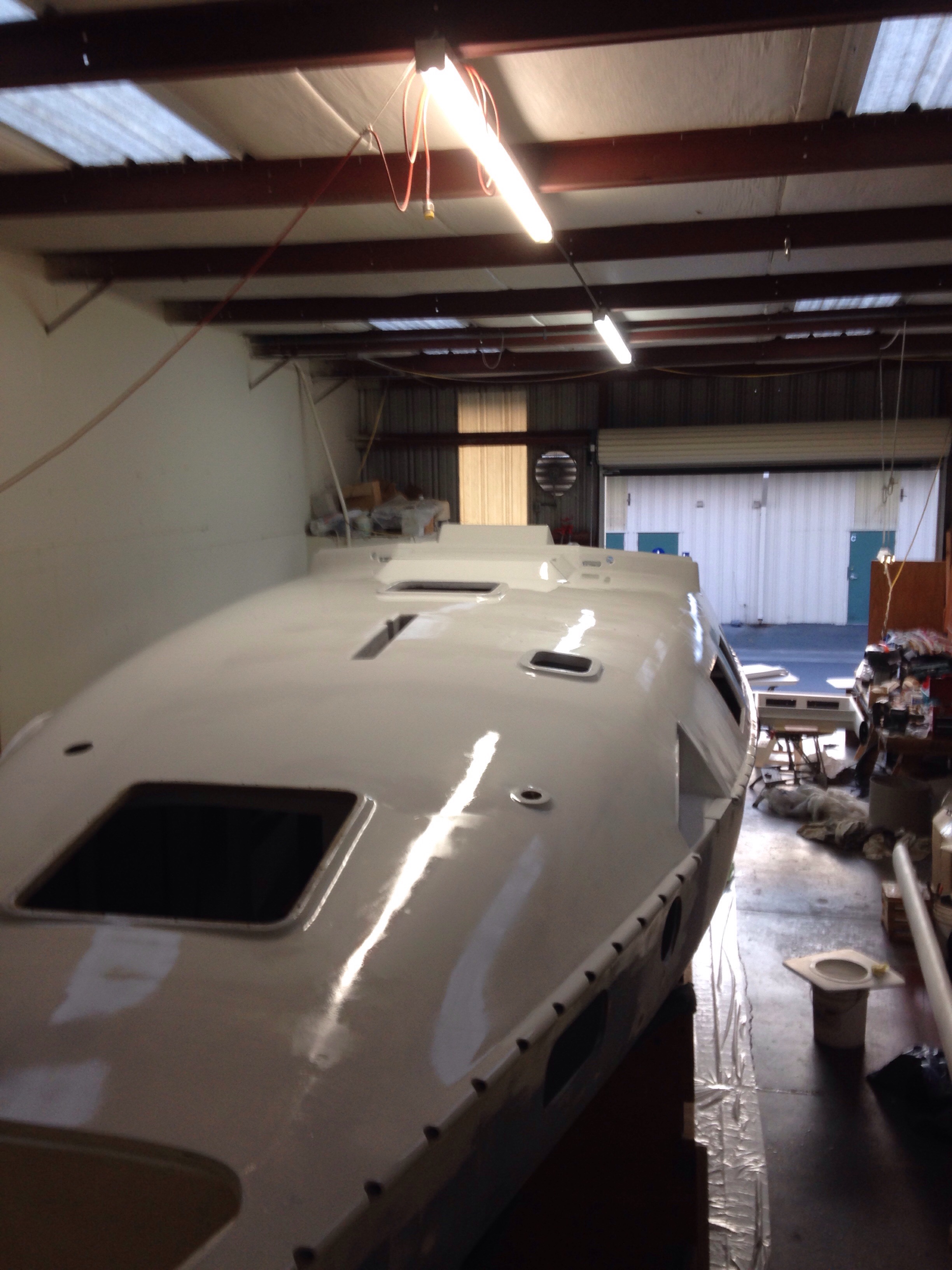
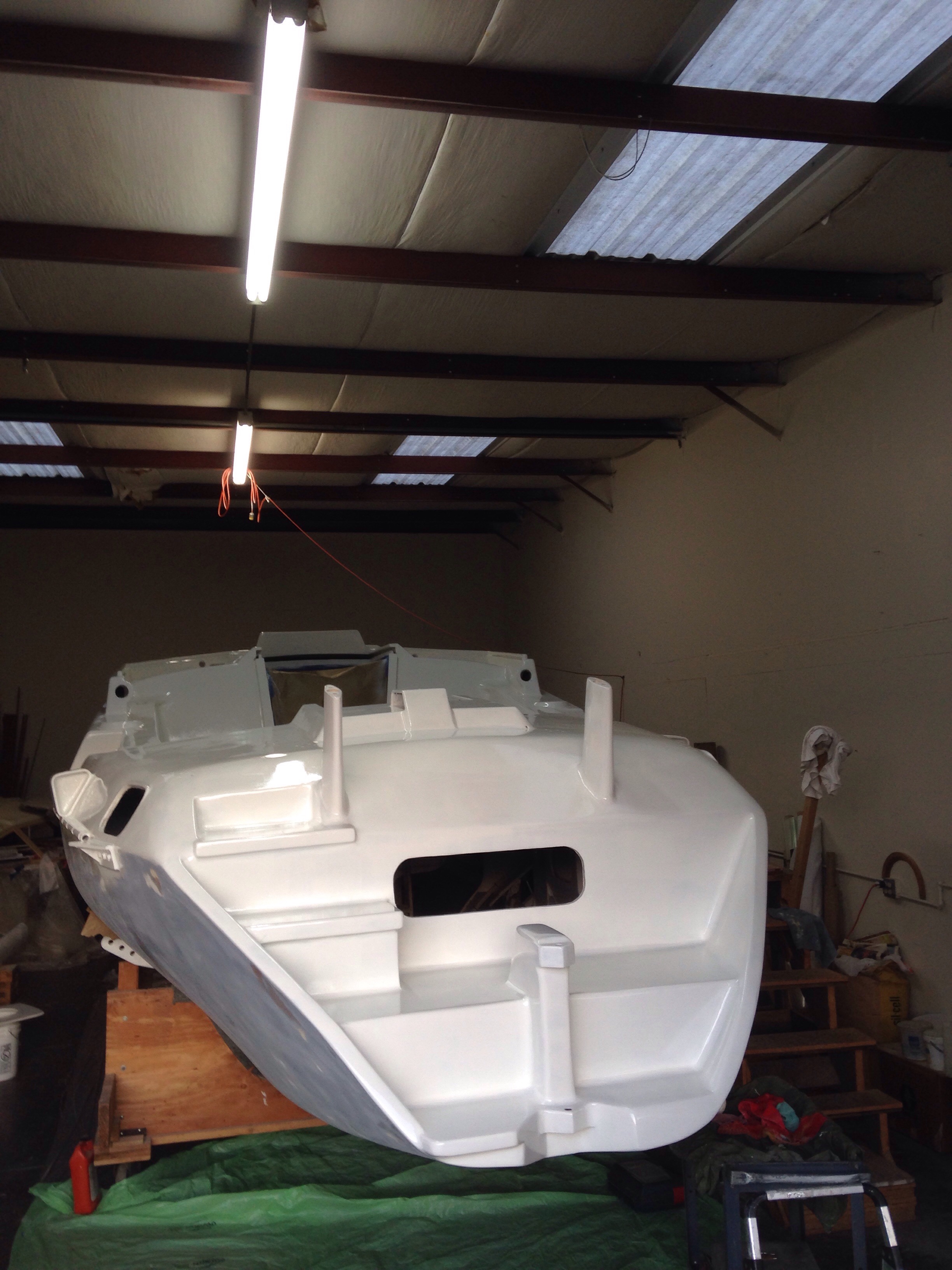
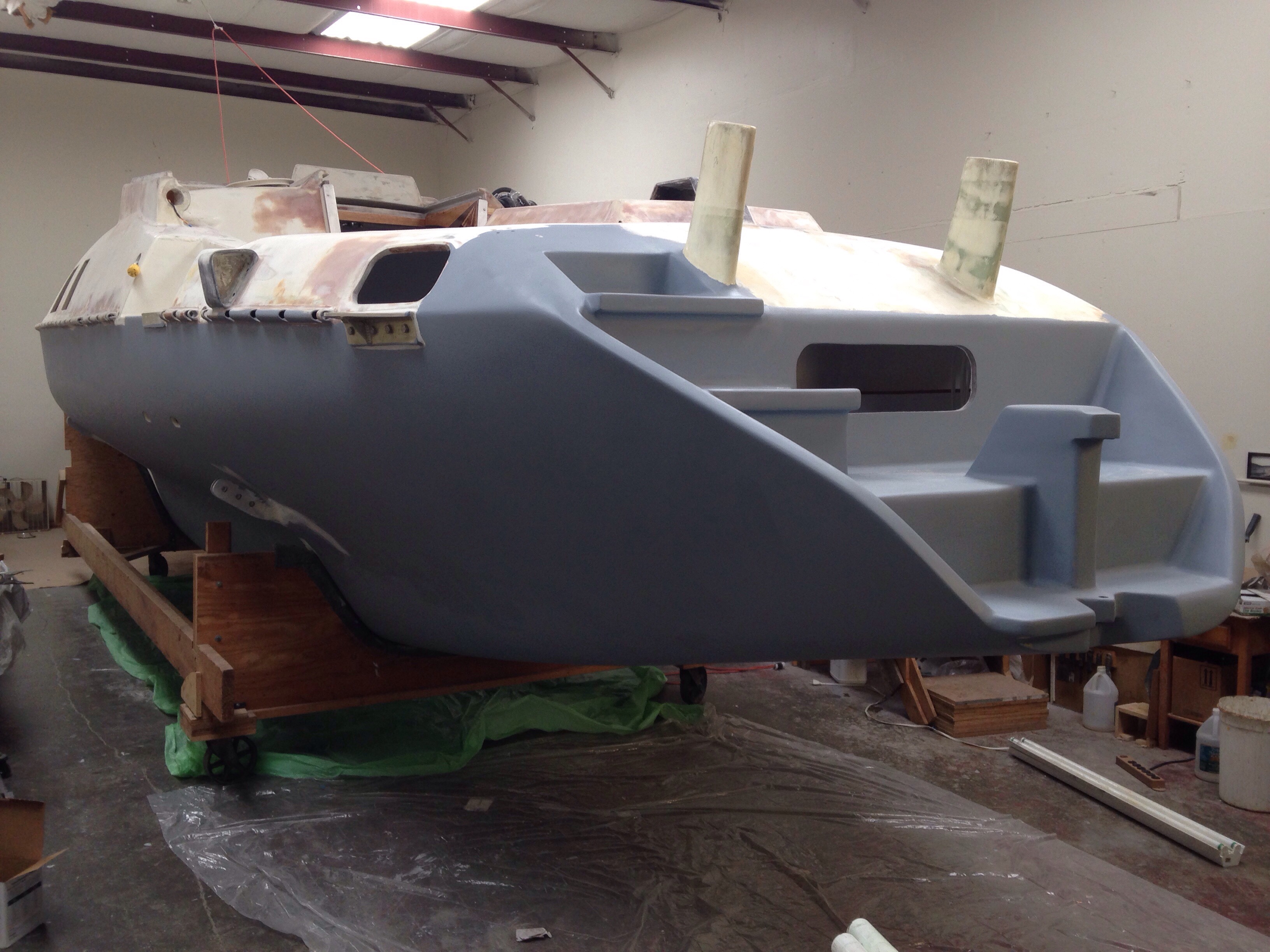
THAT tasted good after seven hours of painting the deck and cabin top today!

Four and a half years of looking at raw fiberglass and carbon, parti-color fairing putty, various primers, sharpie pen marks and general grunge… And tonight it’s magically replaced by a decent looking boat. Phew!

20160403-223201.jpg

20160403-223221.jpg

20160403-223248.jpg

20160403-223317.jpg

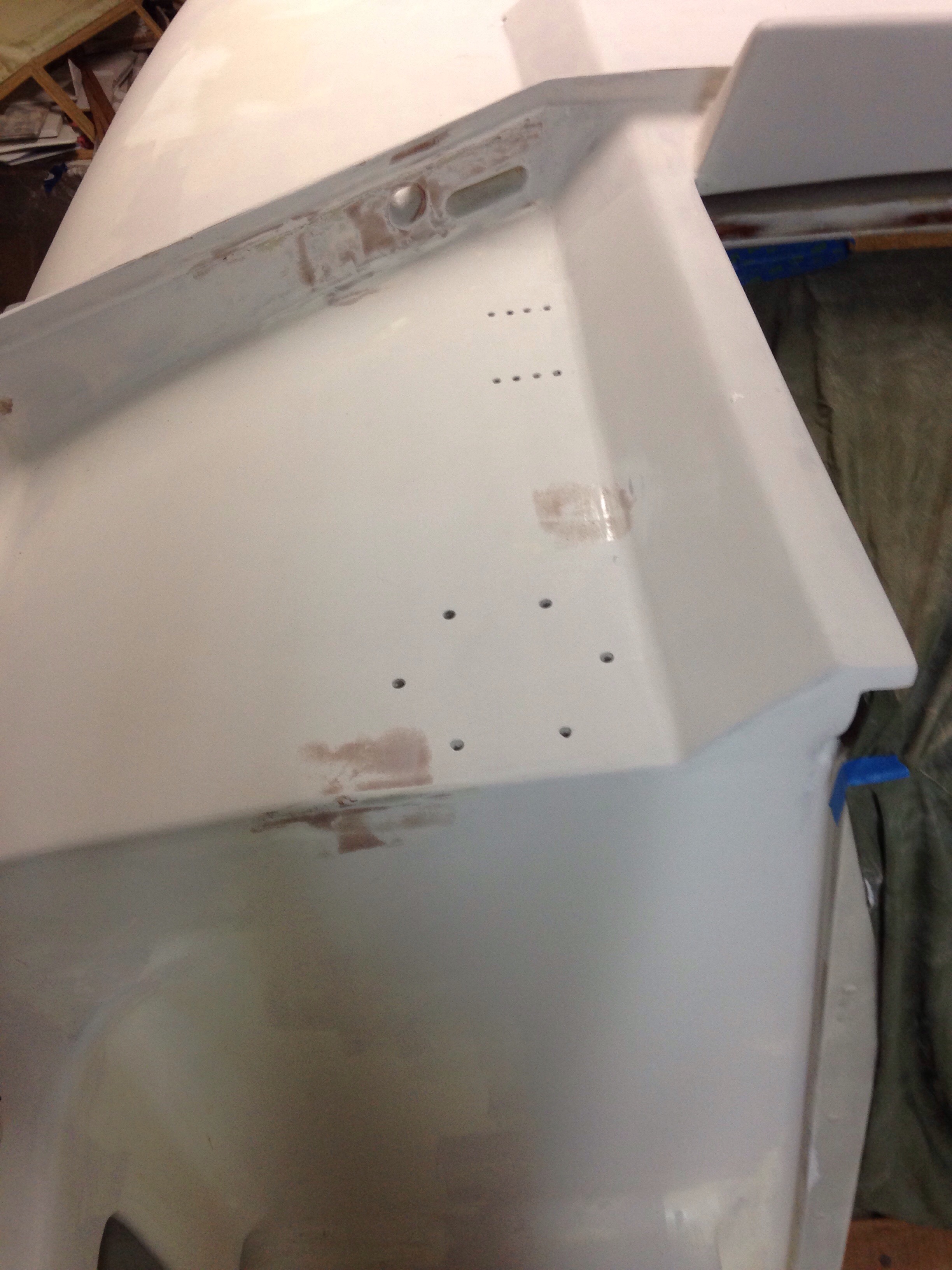
Of course there’s a ton more work to do. That’s the first coat, and we had a bit of trouble from cleaning the surface with mineral spirits, not the expensive Interlux 2333N thinner. The paint started orange-peeling so it took some fussing with re-rolling as it began to get tacky. That mistake was corrected by re-wiping the whole project again. And we had roller problems; as the paint got closer to its curing time or the roller cover was on more than a half hour, the solvents began to eat the foam roller. So we have little bits of crap to sand off in a day or two. I have some (supposedly) solvent and epoxy-proof rollers on the way. And we’ll try the ones Andy Miller text-reco’d this afternoon. (Y’all can search back on this site about 1.5yrs for Andy’s F22 Dart launch party). Dart is up in Washington now, but seeing her splash that first day has been motivating our work for a long time now. Yes Andy, almost…

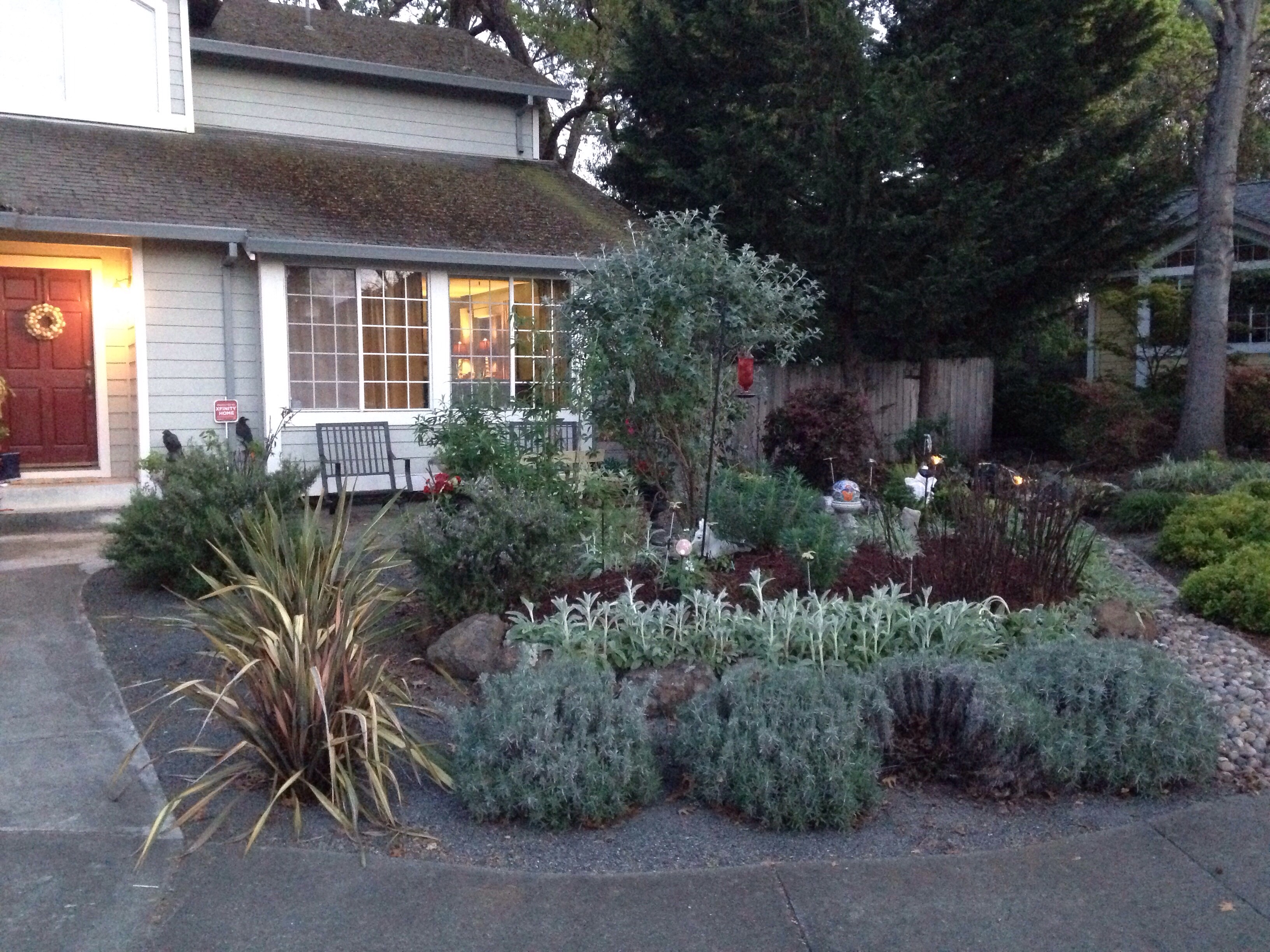
Thank you to Mrs. Carter for spending her weekend keeping the Homefront gardens in lovely order. The boat builder seems paint obsessed, shirking yard work duties. Divide and Conquer, I suppose. Thanks honey!

20160403-224524.jpg

It’s all in the prep work, we hope…

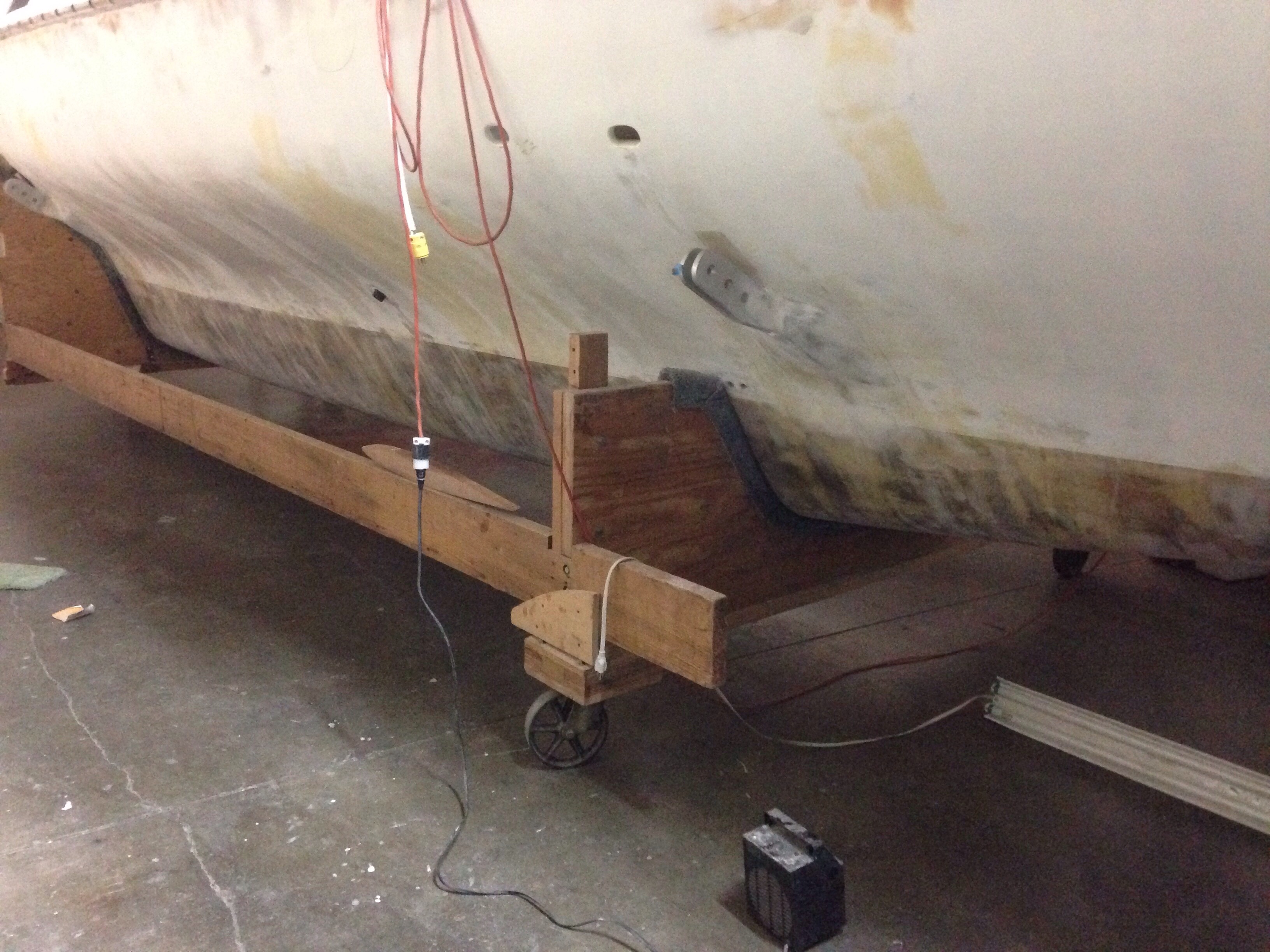
How many times have you heard, “a good paint job is 90% about the prep”? I guess that makes tomorrow our moment of truth, as there’s nothing left to do but start rolling & tipping the deck on a fine April Sunday. The whole exterior of the main hill is 220grit sanded down to the waterline.

20160402-224945.jpg

20160402-225003.jpg

20160402-225023.jpg

20160402-225041.jpg
It took half of Friday and all Saturday to finish sand (and of course fill and re-sand three more little pinhole fields). That includes sixty bucks spent on the commercial painter neighbor’s assistant. He hand sanded the net lashing tubes all along the hull, plus the entire cockpit and windshield base, because I was just too damn sick of these picky areas that have taken too many amateur hours.

Along with the hull painting we’re trying to keep pace with all the loose parts. Tonight was another primer pass (and some fairing filler in spots) on these:

20160402-225651.jpg
Tucked in to that photo are the 16′ boom, 6.5′ rudder, stern radar / windvane tower, engine bracket / sled, lazarette lid, and main cabin and aft cabin hatch covers. There’s not enough room in the shop to spread everything out properly, so we’re juggling moving stuff inside and out during the day.

Ok, we’ll watch more YouTube videos for reminders on roll&tip boat painting, and cross those fingers for a good looking deck tomorrow.

Prime-ary season

Never mind The Donald and Hillary and Bernie, etc. Over here we’re focused on finishing up the Primer work and starting the final paint!

As expected, laying on the primer paint exposed a number of little surface imperfections, so that’s led to quiet (non-posting) days of more filling and sanding. See the colored fairing compound ‘fixes’ above the primer paint layer:

20160331-140707.jpg

20160331-140754.jpg
The good news for us is that’s the last of it, and the second coat of primer, where needed, goes on this evening. Then we’ll sand it all down to 220grit and begin final painting the deck with Interlux Perfection two-part LPU. Off white for the deck (same as the floats) and Platinum for the topsides (same as the mast and beams). I just ordered some West Systems roller covers, as everything sold locally disintegrates with the solvents in these paints, leaving roller residue in the surface. We can sand that away at the primer stage, but it would be a disaster in the final paint. If anyone has an actual roller cover brand name personally proven to withstand marine two part paints, please let me know!

There was no boat building last weekend because of the opportunity for a coveted crew position in the Doublehanded Farallons race. Skipper Andrew Scott had F27 #277 Papillon ready for battle, and we pulled off a 4th overall, 3rd multihull result. We were faster and corrected out over all under-30′ boats. It was a day to prove ‘waterline is king’ as the F31R had enough length and mass over the F27 to handle 25-30kts and really ugly square wave seas still sailing fast. The two F27s that finished the course were at their limits. Hats off to the F31 crew, and I have no problem with 2nd and 3rd going to a $2mil+ Gunboat and an expensive carbon-rig 40′ J120. Surfing 25 miles home on the ocean, getting overpowered downwind even with double reefed main and jib, meant a tired crew needing recuperation, not boat painting for a few days :)
Maybe next year we tackle the course with 39′ in the water…

What your wife doesn’t want

Boat parts in the driveway!

20160315-183222.jpg
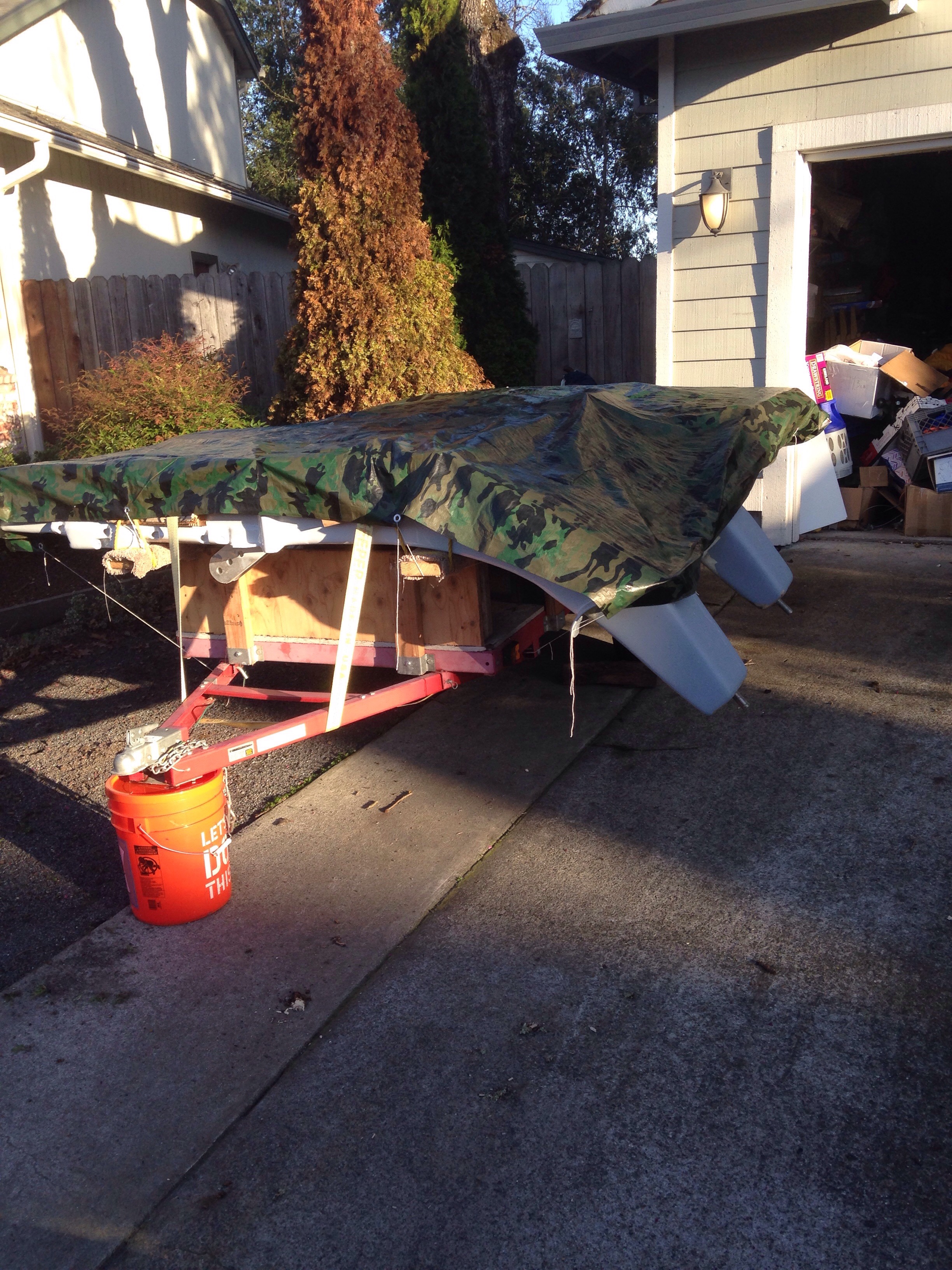
Just before thanksgiving we lost the shop neighbor’s storage space for this little trailer holding the finished beams. It’s been crowding the shop and now that we’re serious about painting, the trailer had to move. Seeing the beams in the driveway is rather motivating to keep working!

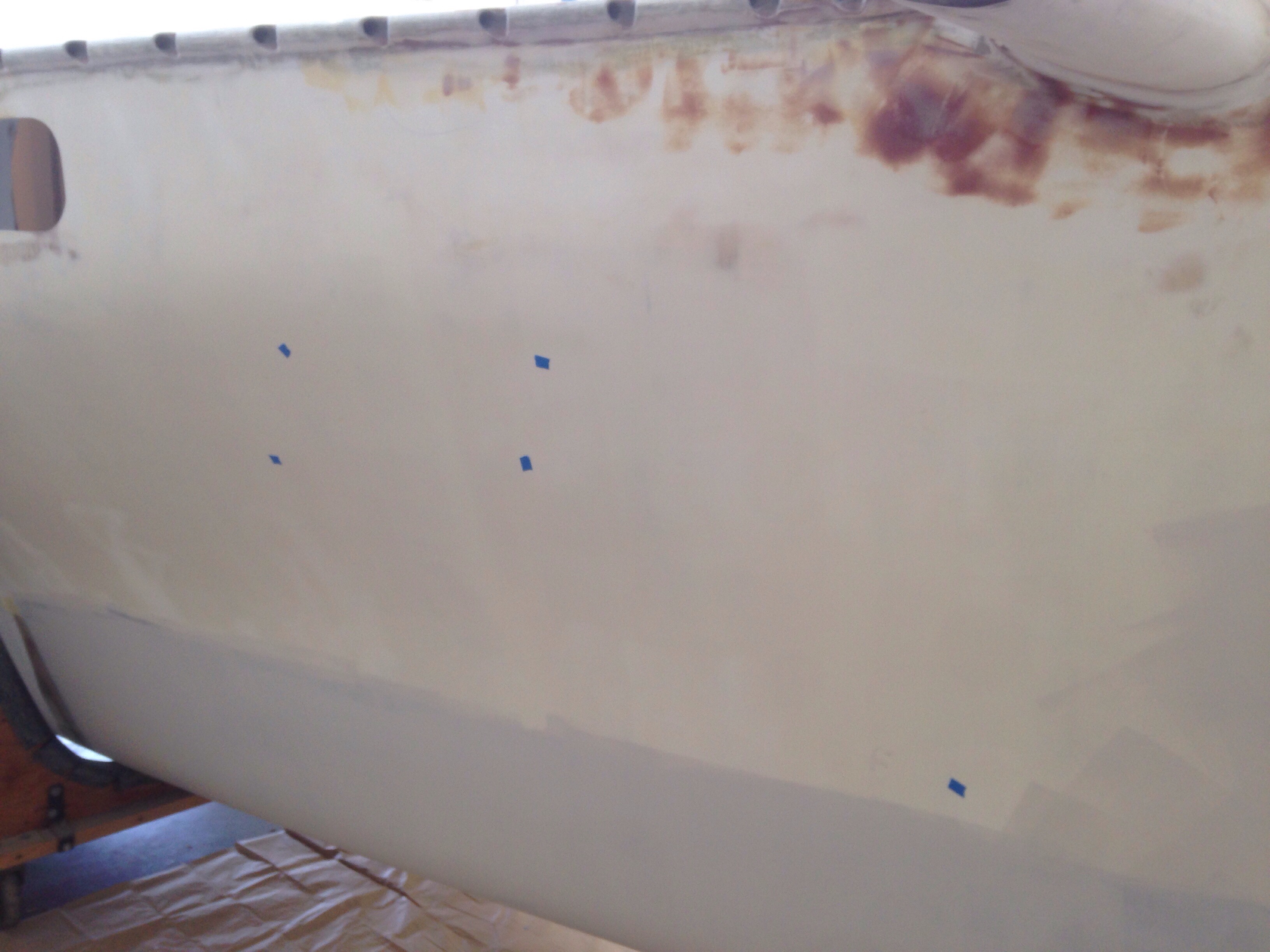
Three weeks of business travel caused a gap in boat work (and updates here), but we have a bit of catch up for you. Doing a solvent wipe down for the primer, we found a bunch of pinholes in the fairing along the hull topsides. So much for painting before the flight. Better to catch them now, under the primer. Look closely…

20160315-201834.jpg
And the blue tape is the treasure map

20160315-201939.jpg
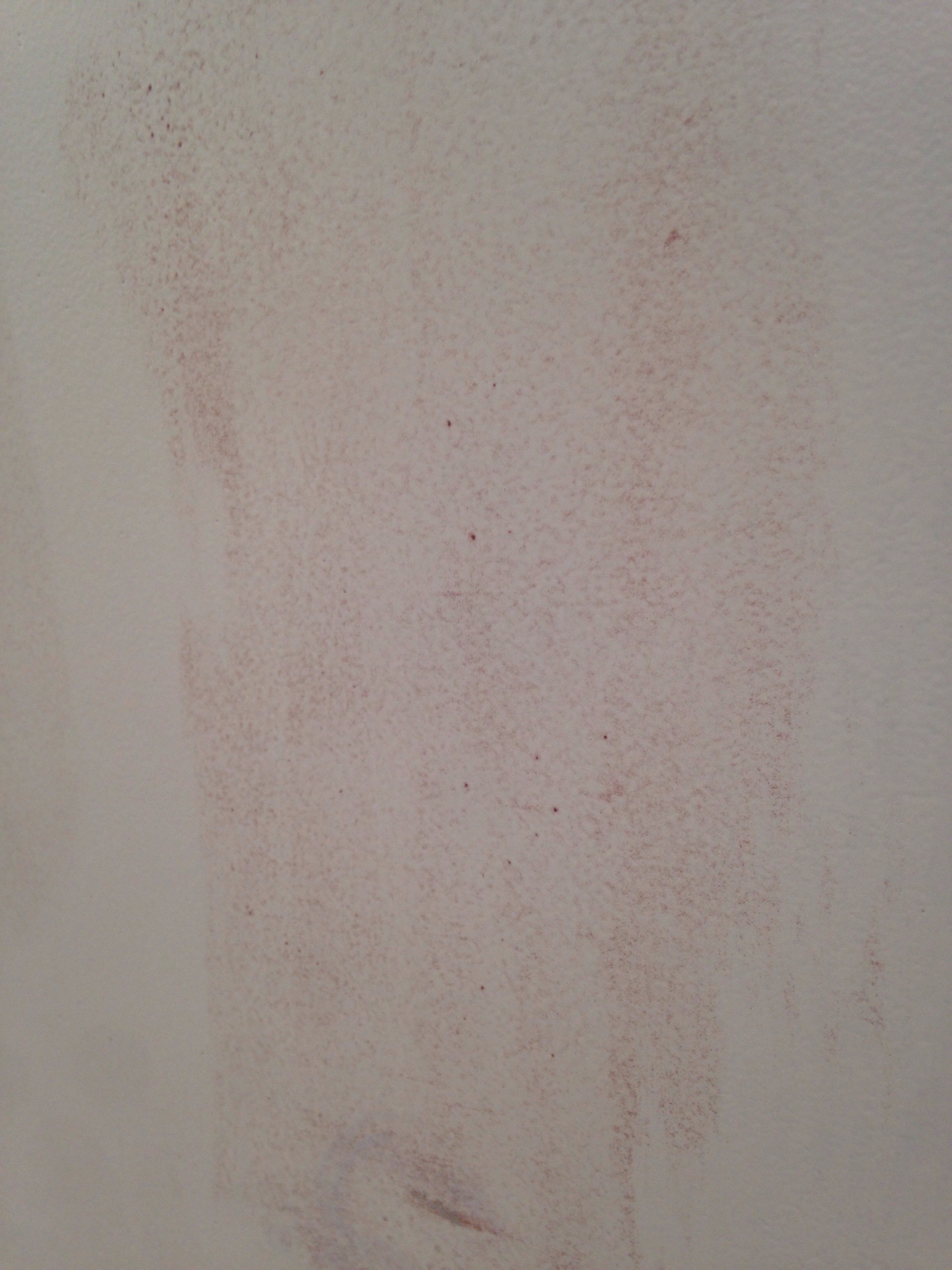
They were fixed with a thin slurry of red-balloons putty; nice and runny with plenty of pressure filled the little holes.

20160315-202149.jpg

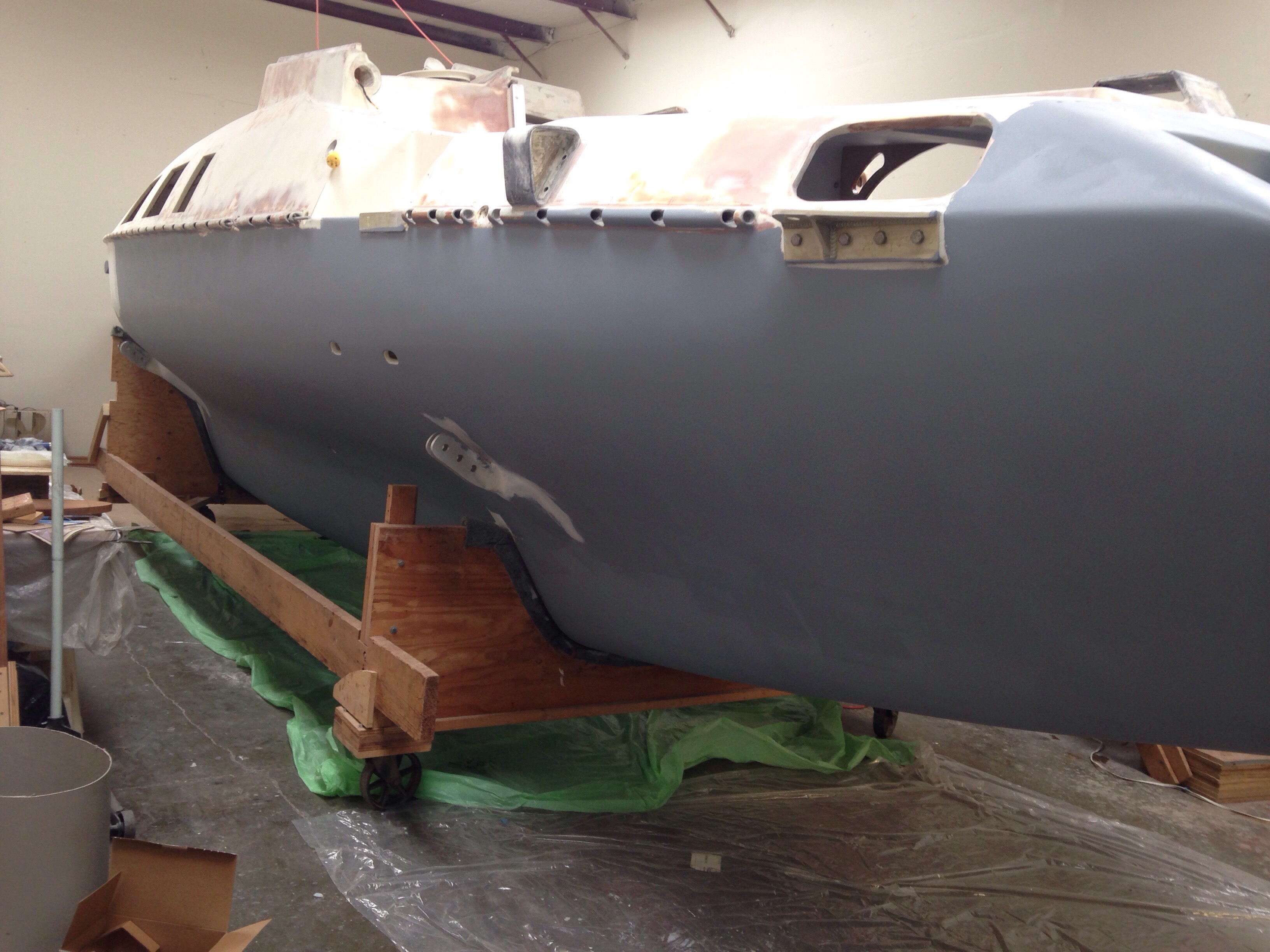
And finally, we’re starting to imagine a painted boat. This primer is similar (but darker) to the platinum grey final color of the topsides. It’ll go up to the net lashing tubes.

20160315-202757.jpg

20160315-202814.jpg

This is probably about the fifth time I’ve said “one last little external build piece to go…” We had assumed the bow pulpit would be build in steel post-launch. But since we’ve been on the roll of eliminating metal, why not here? Now I want to get this done and glassed in before painting the deck. Here’s a mockup of thin glass that was wrapped around PVC.

20160315-203442.jpg
Thinking we’ll carve this shape from styrofoam, glass that, then dissolve out the foam to form hollow tubes. If anyone has tips on this, or a better way to form the curves, we’re all ears.
Thanks!

4 more inches

Keith called today with a story of a friend’s boat build; things were done with a heavy hand and when it launched with the bottom paint done at the designed waterline, the boat settled in a few inches lower leaving unprotected topsides submerged a bit. What a drag to pull a fresh launch out of the water and redo the waterline paint job. So… Not that we think we’ll be fat and saggy, but it’s a lot easier now to add a few inches of barrier coat ‘just in case’

20160219-182841.jpg
Here’s coat #2 of 5, with the roller headed northbound by about 4″ :). One more coat tonight and hopefully two tomorrow to finish this step.

I pity you guys as this website is now literally watching paint dry! To keep busy in between bottom coats today we tackled final builds on the stern tower. First is the little crane off the back to lift the rudder out of the water when stationary. If you look at older photos the top edge was purposely lower than the top of the tower. But overall this thing seemed too flexible and potentially weak. So it grew an extra foam core top, then more carbon ‘strapping’ wrapping over the top of the tower. Much stiffer now!

20160219-183455.jpg
Next is the radar, to mount on the extra ‘ear’ of the tower to starboard. The mounting pattern of the Raymarine unit required some modification. And since we’re not interested in a metal bracket, we made a fiberglass foam pizza instead.

20160219-183725.jpg

20160219-183752.jpg
Last up is a shelf for the tiller pilot. This location should allow us to attach the ram directly to the steering gear, or more intriguingly to a second set of cables to steer the trim tab on the rudder just as the windvane system will do. Much more on that story to come once we get to sea trials.

This little shelf add is perhaps 5 ounces of foam and carbon, but further stiffens the whole structure – so much better than a big metal structure on the back of the boat! (We hope anyway)

20160219-184226.jpg

Lady in waiting

20160218-223721.jpg
This boat hull was built 15 years ago. The deck and topsides got a primer coat 5 years back, but some of you will recall the bottom wasn’t faired until just a few months ago. But tonight, a decade and a half late, the raw underwater skin was painted with the first of five coats using Interlux interprotect 2000. This will create an epoxy barrier coat over the epoxy-skinned hull, so blistering or other water intrusion should not be a future worry.

20160218-224133.jpg

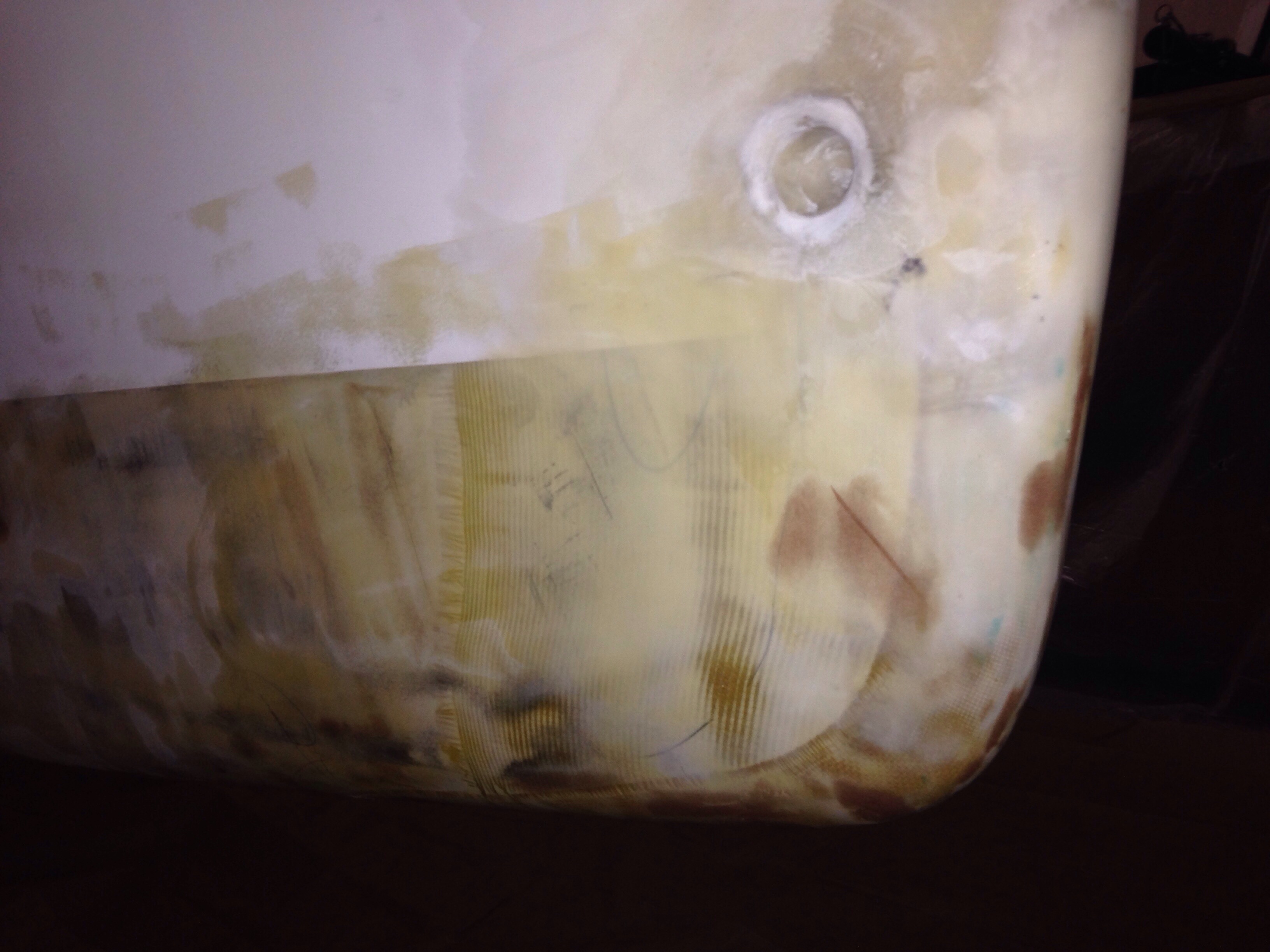
One more bow shot here to remind us where the Kevlar protective strip sits across the front. (You can see it as a vertical yellow shadow under the white fairing skim)

20160218-224445.jpg

No boat should take this long to build, but what a great step tonight. You could feel the good vibe in the room – seems like the boat knows we’re sealing things up and sprinting towards the water. Anticipation grows…

Selfie gone wrong

20160211-223657.jpg
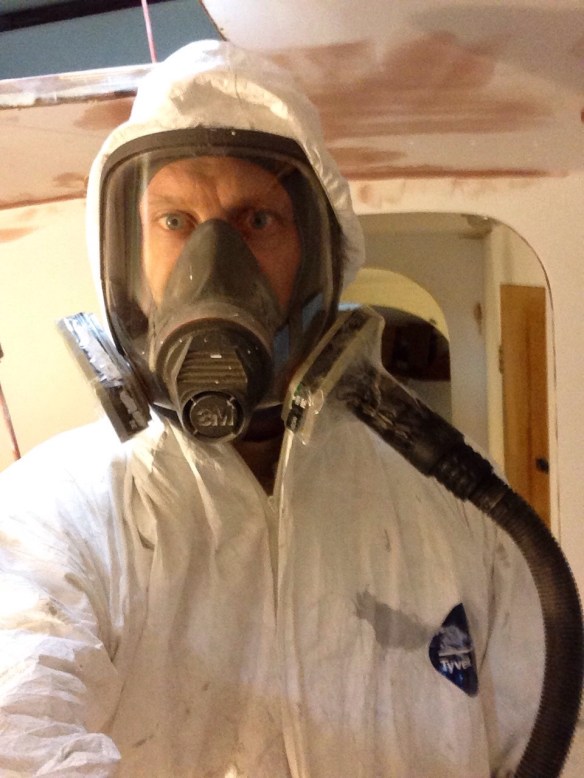
Clearly I don’t get the concept of glamorous self-taken phone photos in picturesque locales. BUT, this is actually a very relieved boat builder. This goes back a few months to our first experience with the very good but rather volatile high end marine topsides primer paint. One night I geared up to hit the shower and toilet compartments with the Interlux Primecoat 2 part system. I wore the full face respirator, but neglected any fans to force air out of the space. After about 15 minutes the respirator was overwhelmed, resulting in attacked eyes and lungs. I basically dropped everything, and threw the paint/roller/brush in the trash as I ran out of the shop seriously spooked about painting this boat.
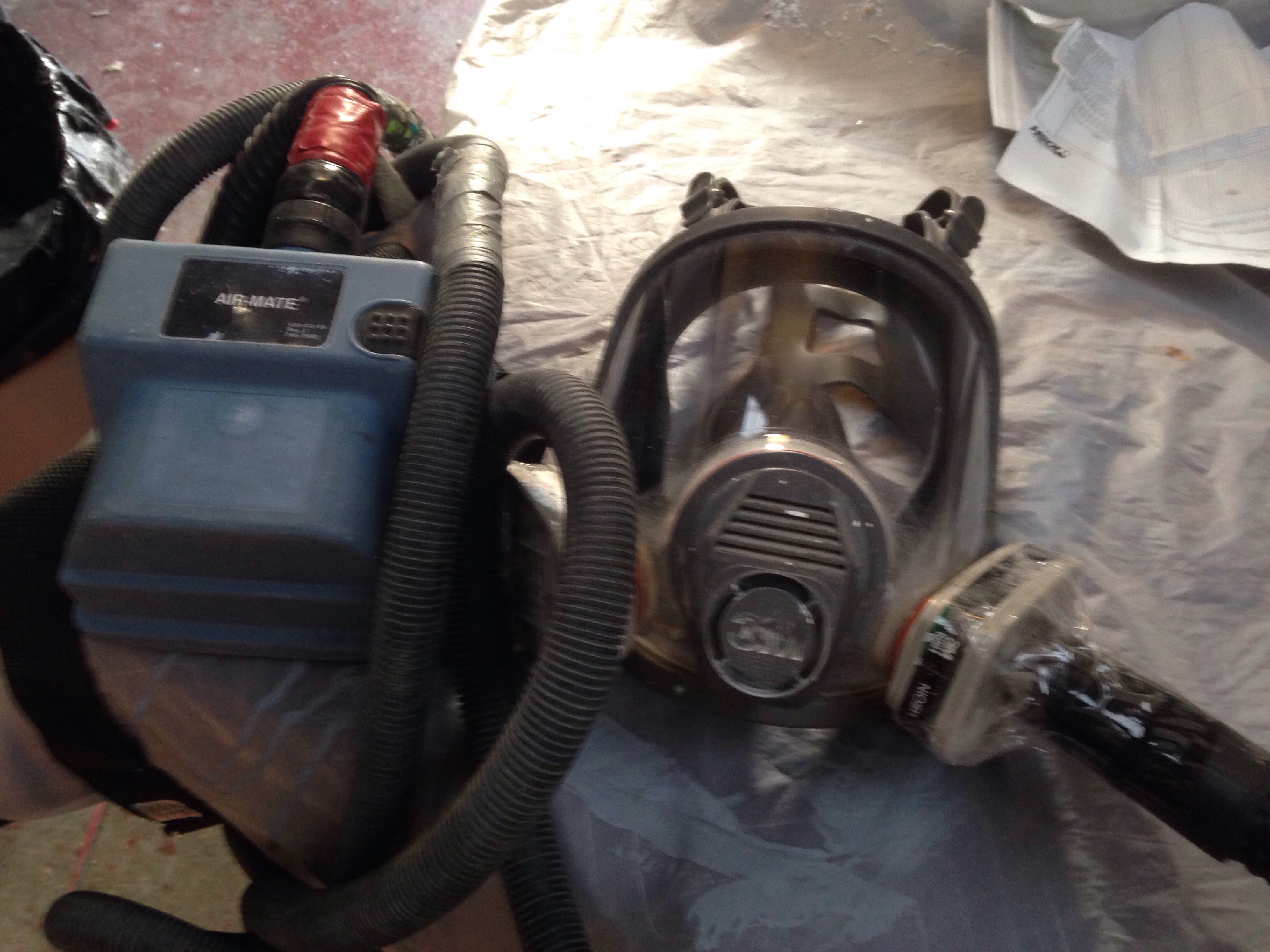
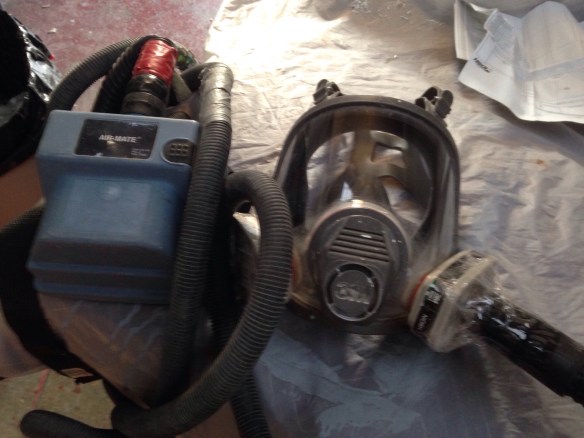
So we’ve pretty much been skulking about re: paint fumes, but yesterday sucked it up and dove in to researching solutions. Holy cow, did you know decent industrial volatiles protection hoods are a thousand bucks!!?? So instead we went half Apollo 13, half McGyver rerun and came up with this:
20160211-224746.jpg
Yep, that’s the good full face respirator with one filter taped completely shut and the other taped off except for the receipt of a long vacuum cleaner hose. The other end of that hose is the output from our oldie-but-goodie 3M belt pack NiCad battery-driven forced air filter. So instead of taking the positive flow filter in to the paint environment the jury rig hose keeps it out in the fresh air, feeding the face mask.
Tonight with all the simplified plumbing cabinet and bulkhead revisions finished, the toilet space was prepped along with the abandoned shower, the goofball selfie was taken, and we dove in again with the nasty paint. The work took about 30 mins, the mask performed well – no eye discomfort and negligible smelling of fumes. Certainly no dizzying or worrying amounts of volatiles coming on board! That was a big relief and we’re once again seeing the path to paint completion.

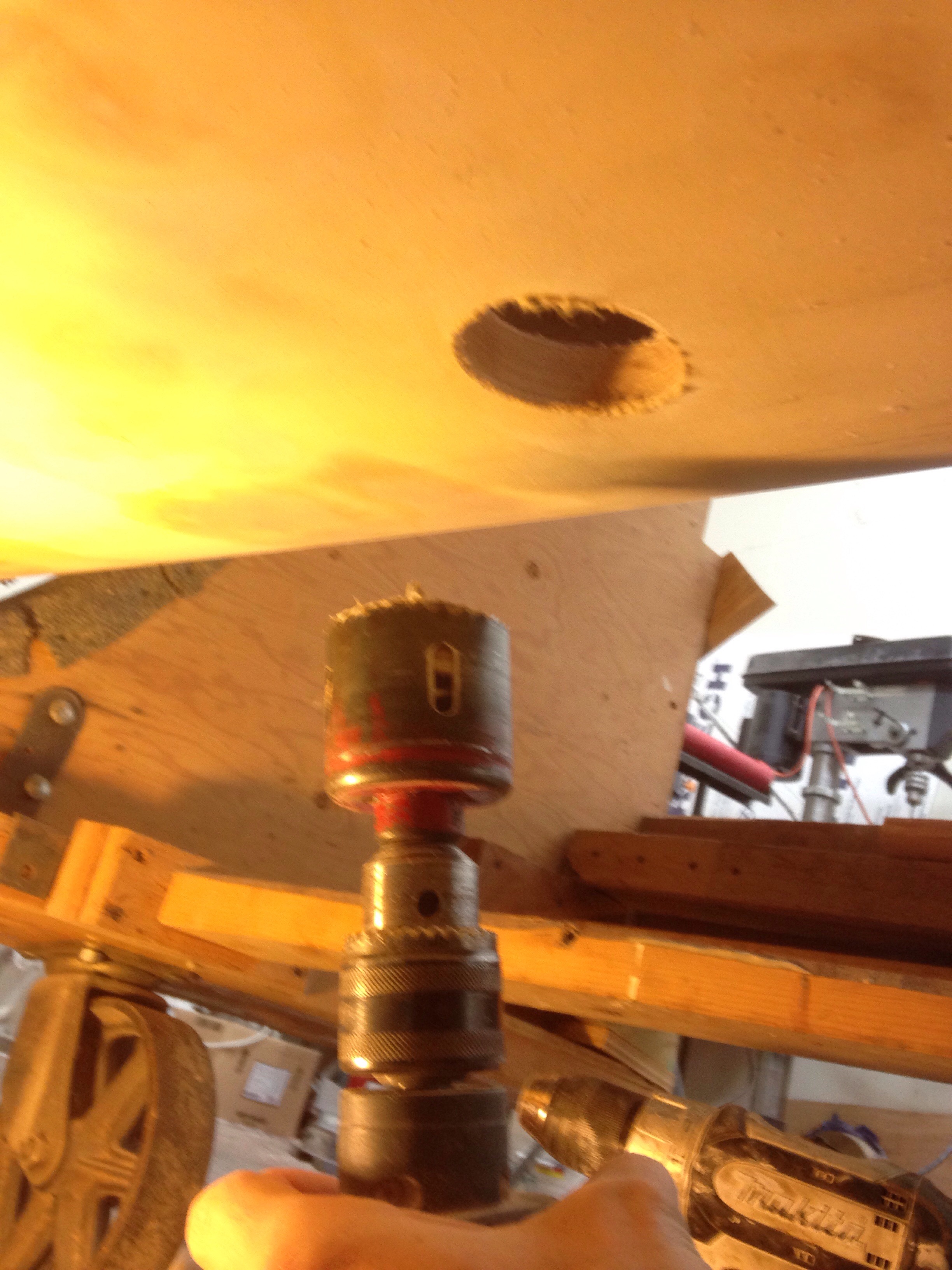
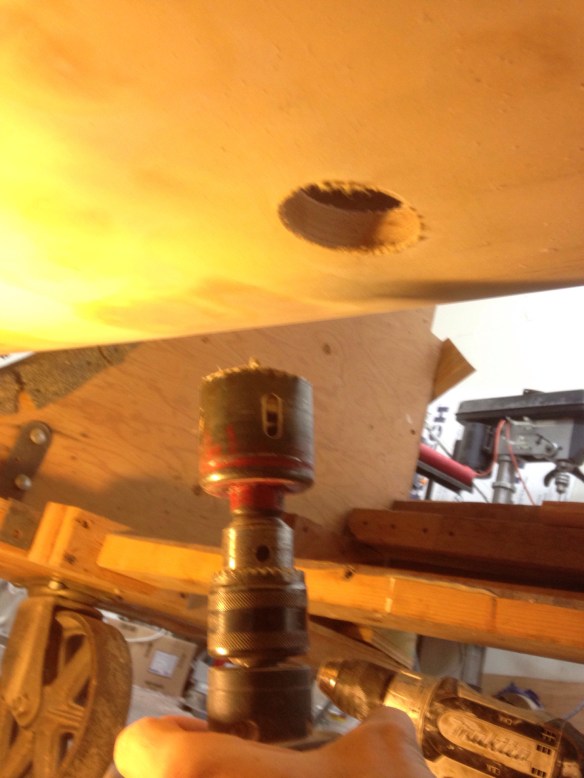
Speaking of plumbing, this week has been finishing those 3 below-waterline through hulls, plus another big one about a foot above the line for the galley drain. Here’s the process for the toilet tank drain. Measure, stare, worry a bit, measure a few more times, then get the hole saw spinning.
20160211-225945.jpg
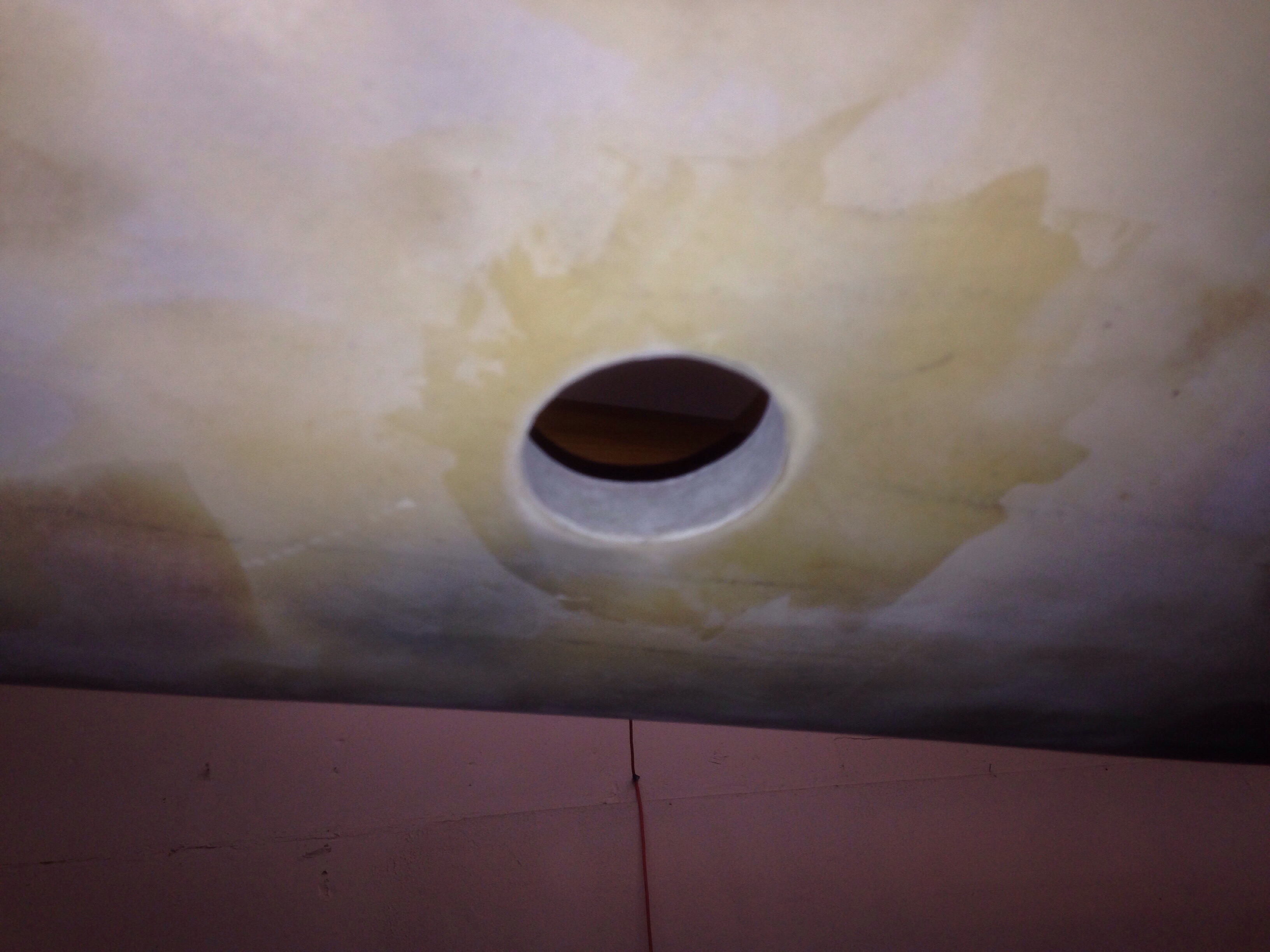
Next was very careful Dremel work to dig out the cedar core about 5/8″ back from the hole edge, but not disturb the outer or inner hull skins. (The Dremel is skilled in throwing little shards of boat hull in one’s eyes and nose.)

20160211-230308.jpg
Then fill all that rebated space with solid epoxy/cabosil putty, and after it cured, sand it back flush.

20160211-230427.jpg
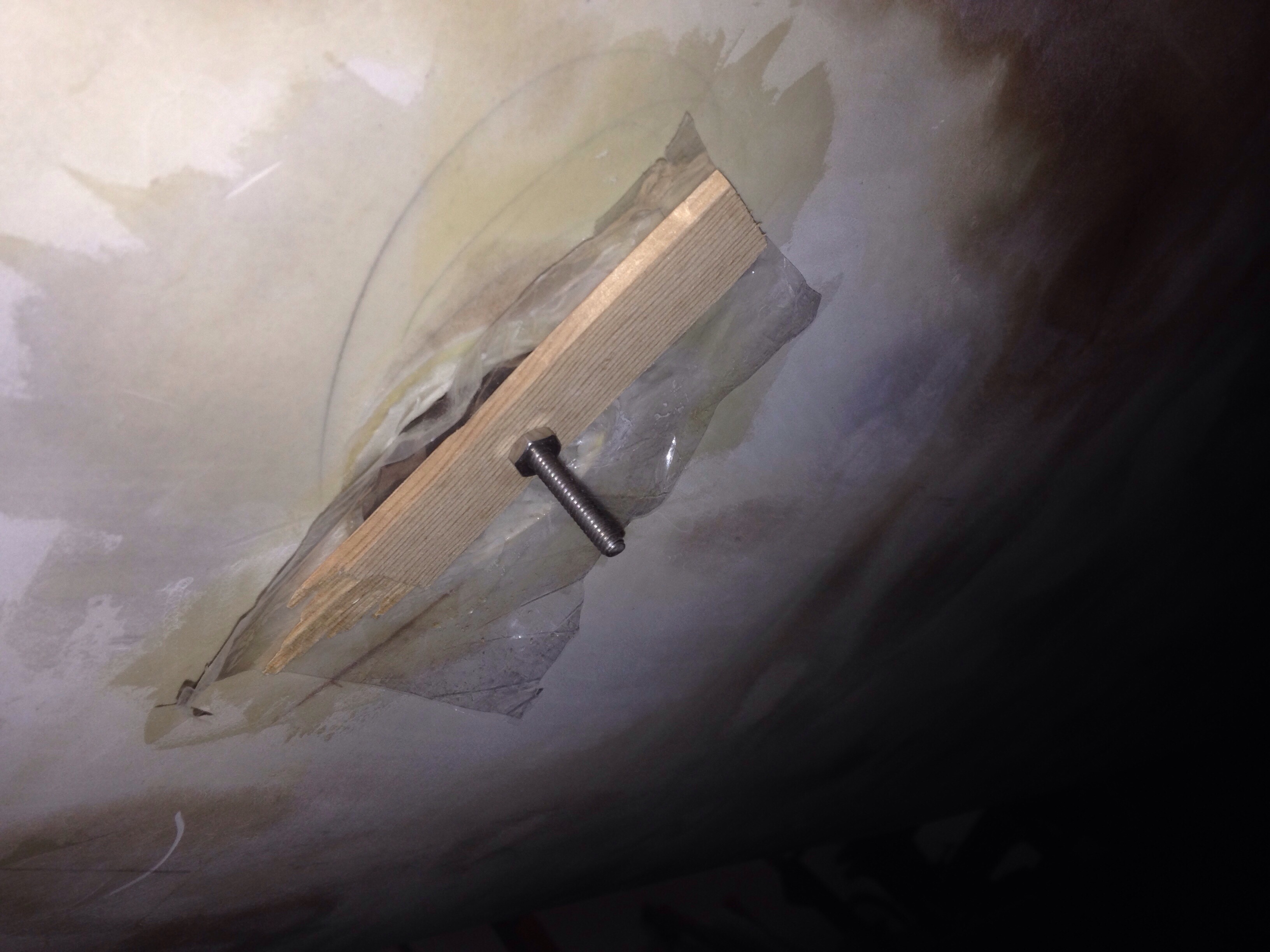
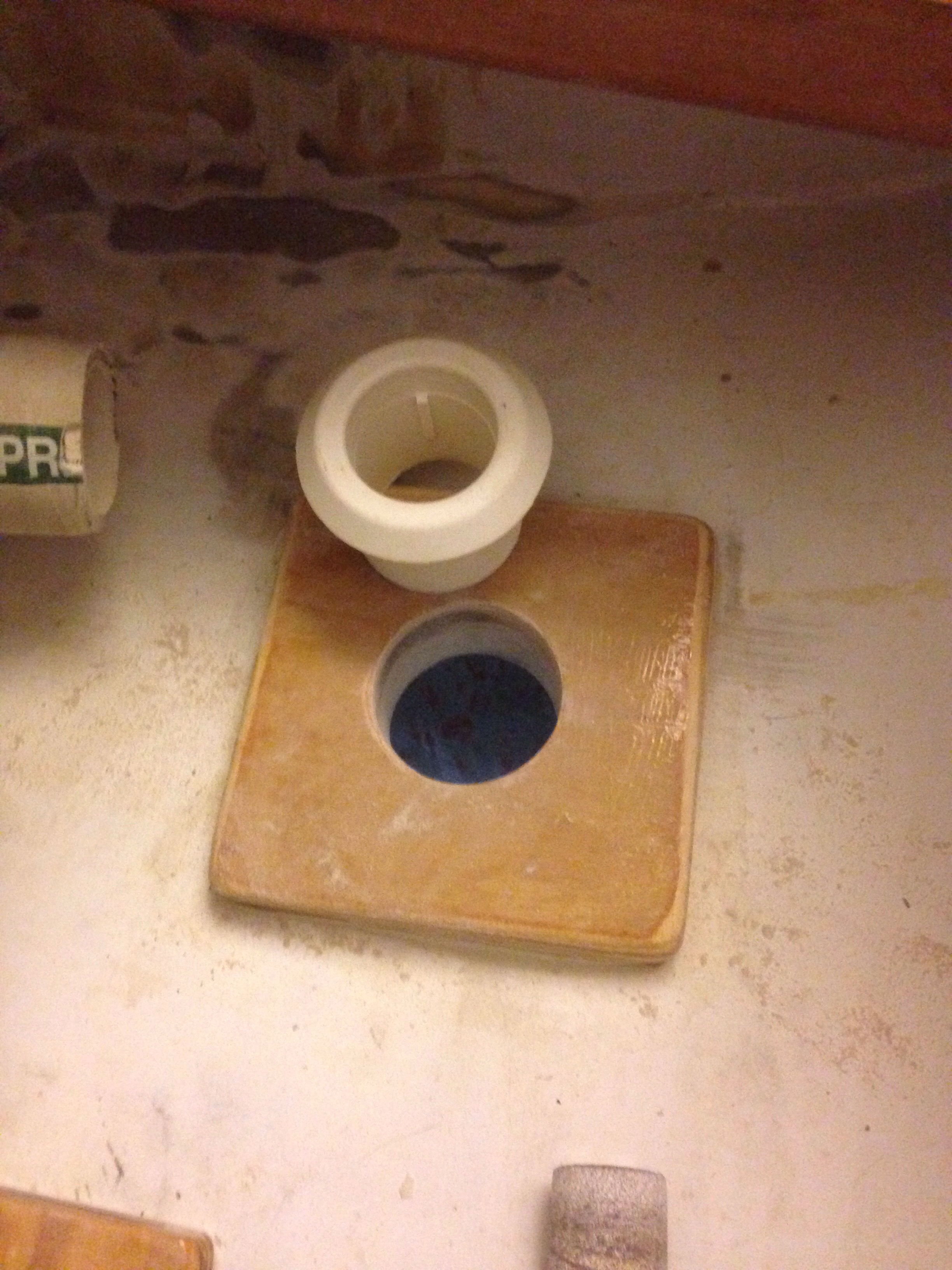
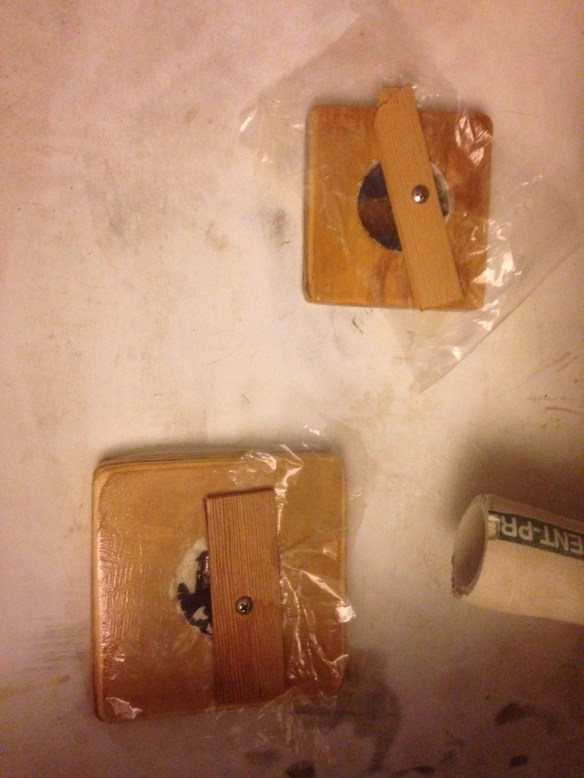
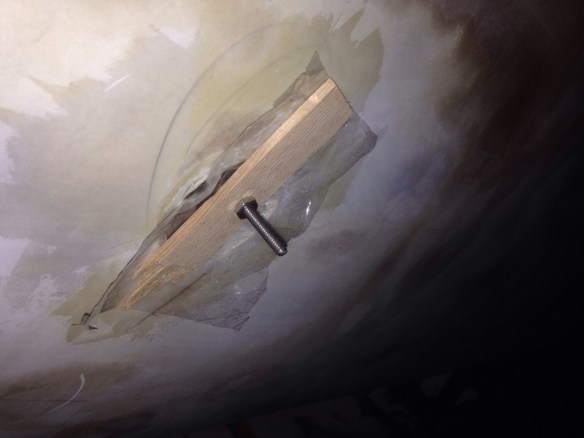
During curing steps we had been making epoxy-coated plywood backing plates for the seacocks. They finished up as the holes were done. I understand these backers can be loose and mounted with the same sealant as the thru-hull fitting, but we opted for permanently bonding them to the hull and one more shot of putty to smoothly line the thru-hull passage as one watertight unified ‘tunnel’. These two are the toilet tank drain and depth sounder that’ll be close neighbors.
20160211-230919.jpg
That’s a little bolt & block setup to clamp the backer in to the bonding glue.
20160211-231024.jpg
All four came out just as planned, and now await paint. We’ll show them off again when their fancy Forespar valves are installed. About six layers of primer and bottom paint from now!

20160211-232116.jpg

PS – is anybody wondering about that red fairing putty in the first photo tonight? Um, yea, those are the finished, painted main cabin surfaces getting just a bit more touch up once all the new lighting went in and I could see little nits that would drive me nuts once the boat is launched. Figured it was worth the piece of mind and a couple of hours to clean it up now…
No hairdryers please

Part of the ‘keeping it simple’ plan is to skip power-hungry appliances and a big inverter to go from the boat batteries to 110volt household circuits. So we’ve kept shore power completely separate from the 12volt system, including its own mini panel in the equipment room.

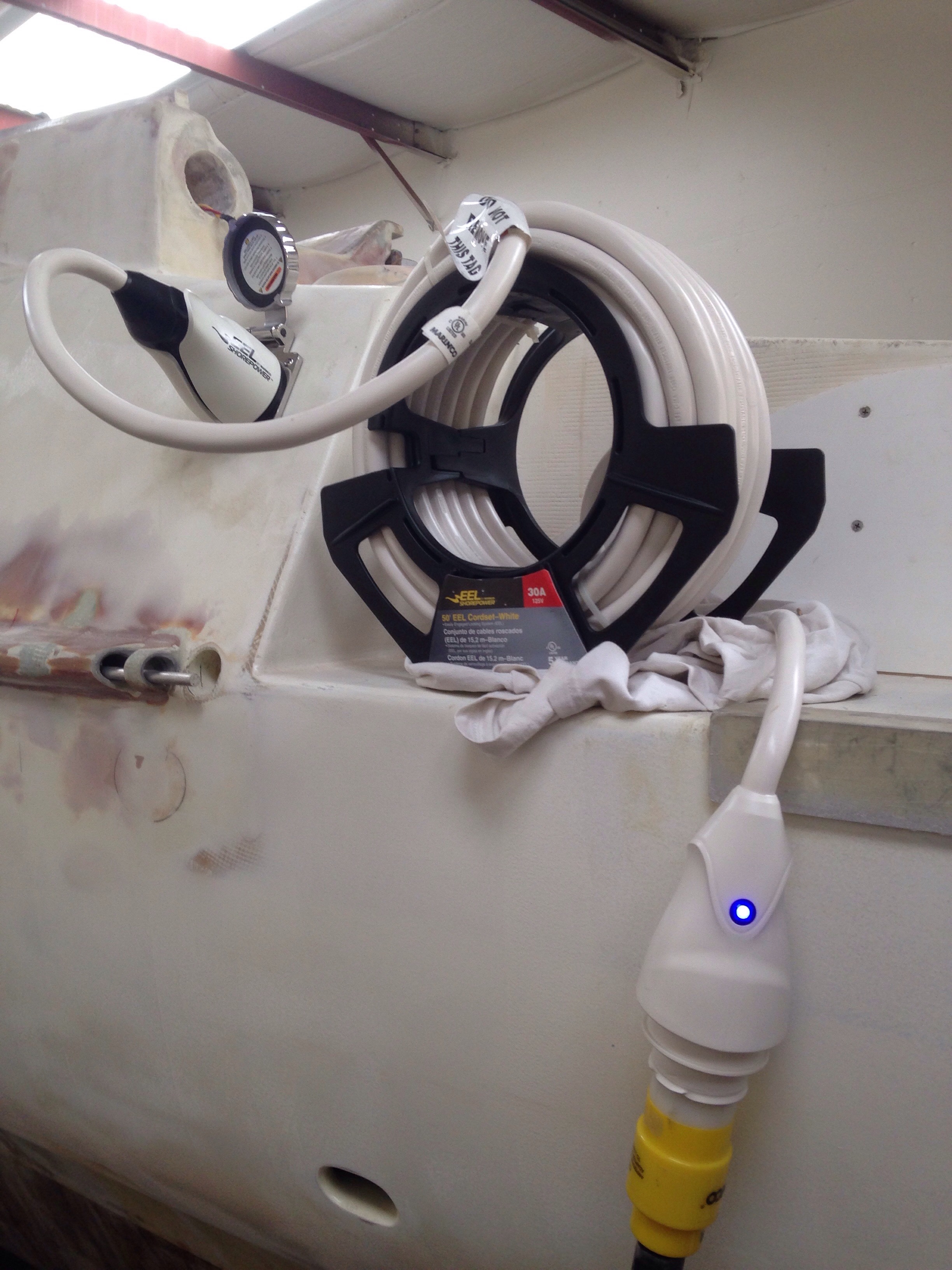
First we bring a 30amp cable to the boat, with the plug just ahead of the aft beam, in the port cockpit coaming.

20160206-221837.jpg
These new cords have clamping jaws instead of the old spinning rings. Plus a handy flashlight to help with night maneuvers.

20160206-221958.jpg
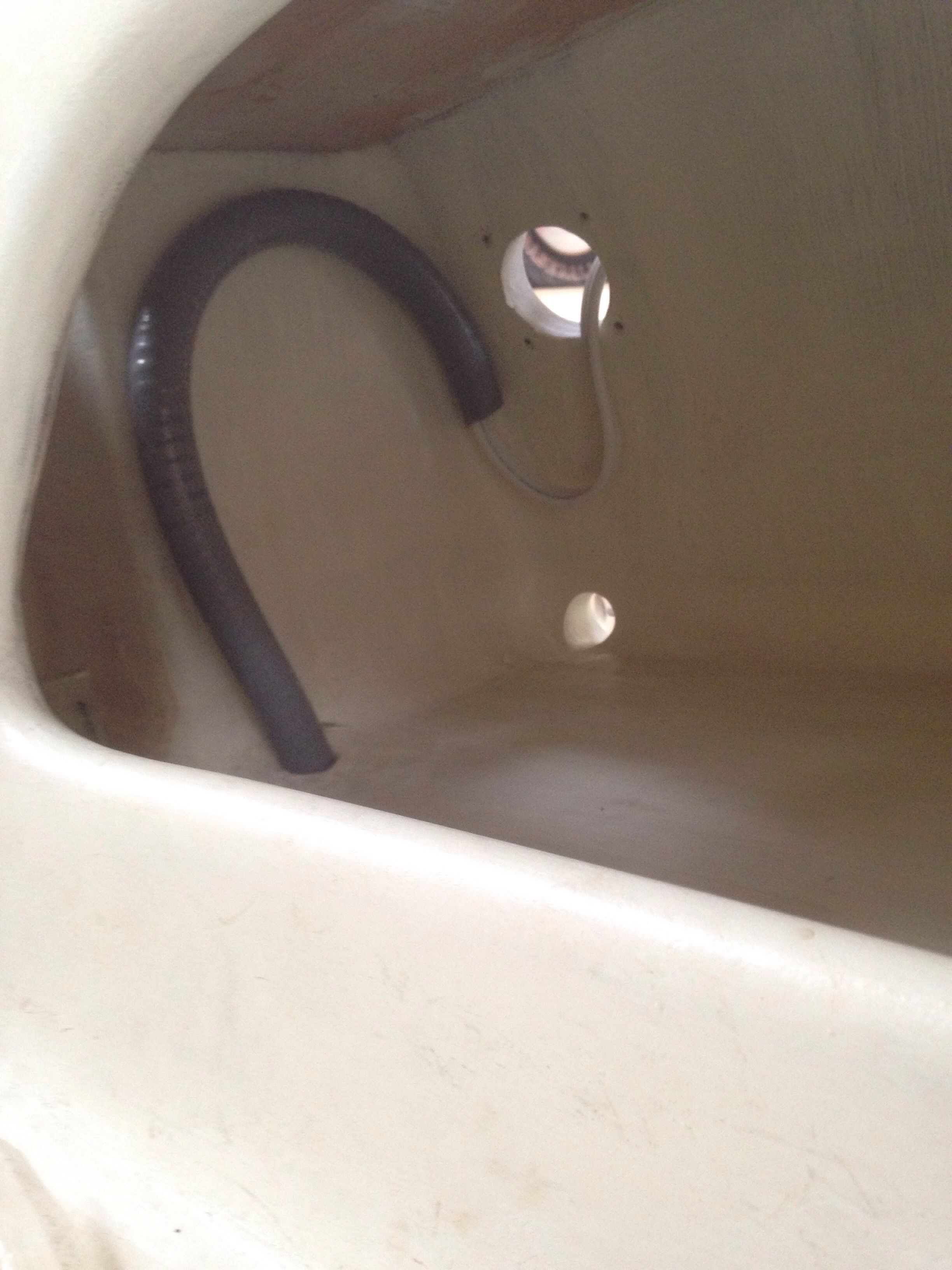
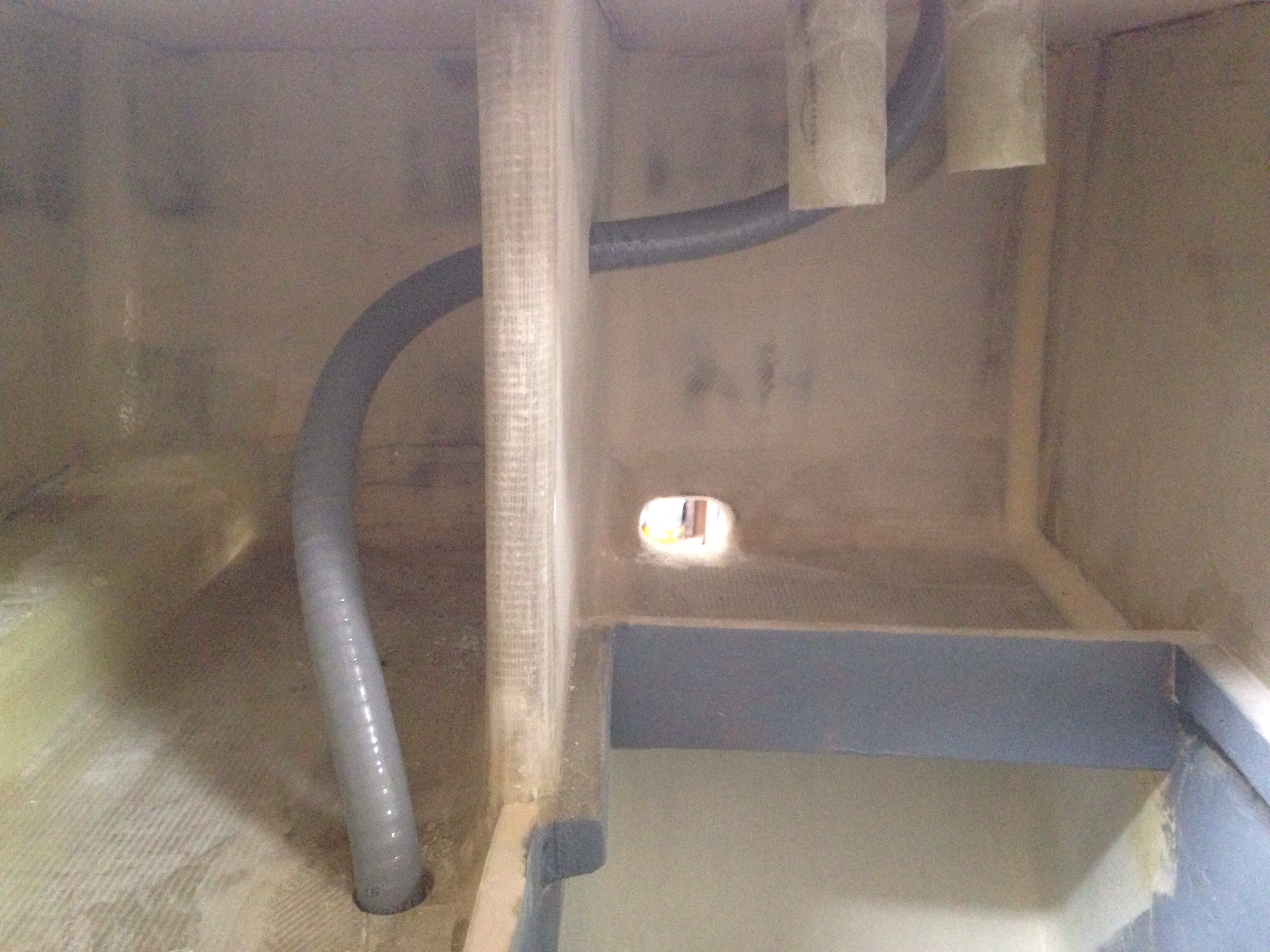
Next was running a 10awg/3wire conductor in plastic conduit thru the coaming box, the lazarette and down into the equip room.

20160206-222155.jpg

20160206-222219.jpg
You can see the pass-thrus for water and diesel in front of the conduit; they will get hoses that run just like the electrical path.
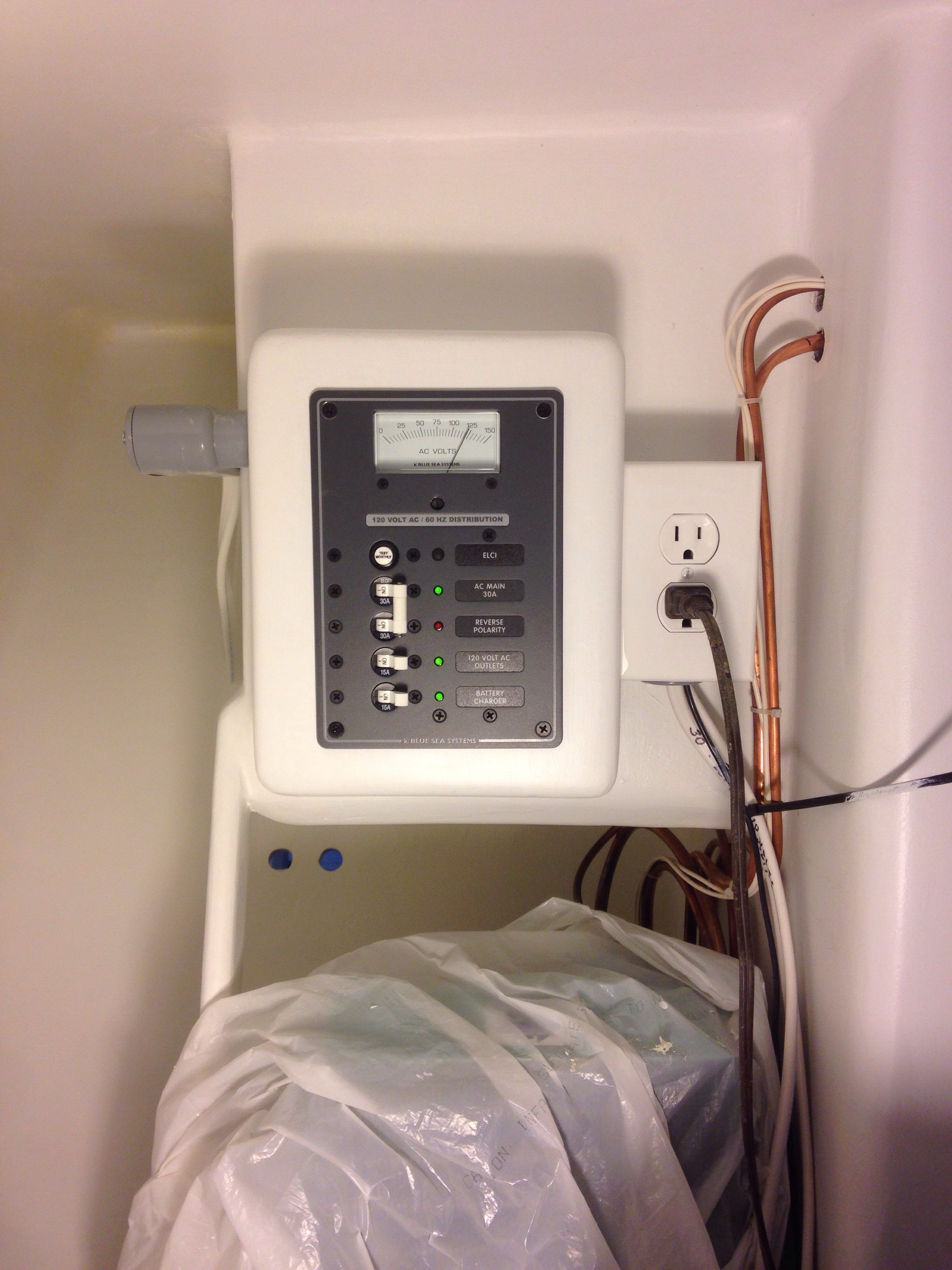
The 110volt panel has built in ELCI. This is the next step beyond GFI ground fault interruption. See the ELCI components – the black ring – on the back.

20160206-222629.jpg
This thing will shut everything down in milliseconds with any problems of the incoming juice, bad grounds, wires in the surrounding water, etc. And it all comes pre-wired with these BlueSea panels.
We screwed the panel in place and plugged in – the system did its job and warned of a reverse polarity problem in one of the workshop’s power outlets. We moved the cord and got all green (good) lights.

20160206-223023.jpg

20160206-223041.jpg
Just two branch circuits – one for the battery charger which will mount close by, and a second for two household plugs (one in photo and another in galley). That’s it, but could be expanded later if needed.
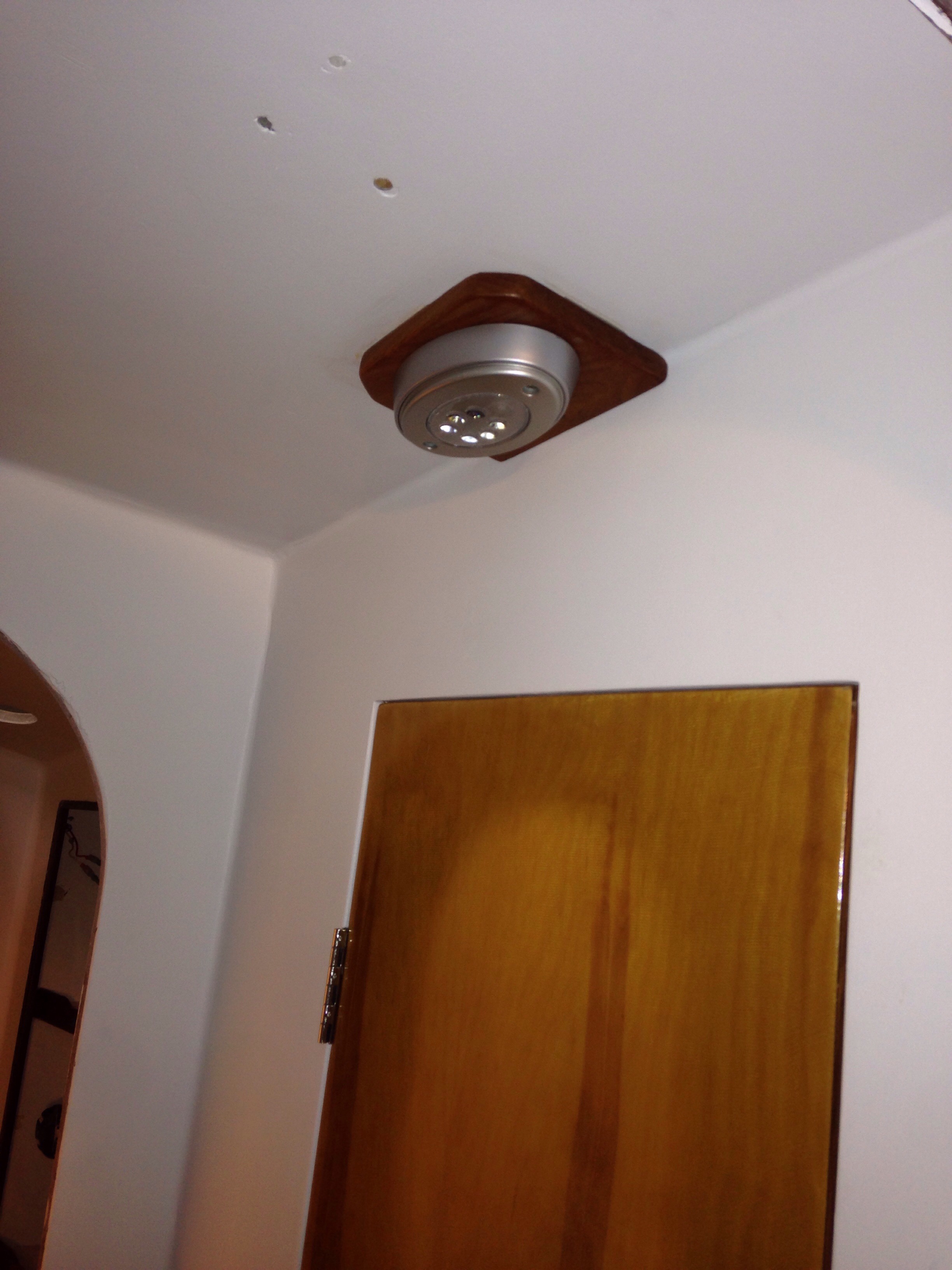
This finished the primary wiring job. There are follow up items – more light fixtures are coming this week as the galley, equipment room and over the dinette weren’t bright enough with the original purchased fixtures. And we still have all the wiring inside the stern tower to run, after the exterior paint job.
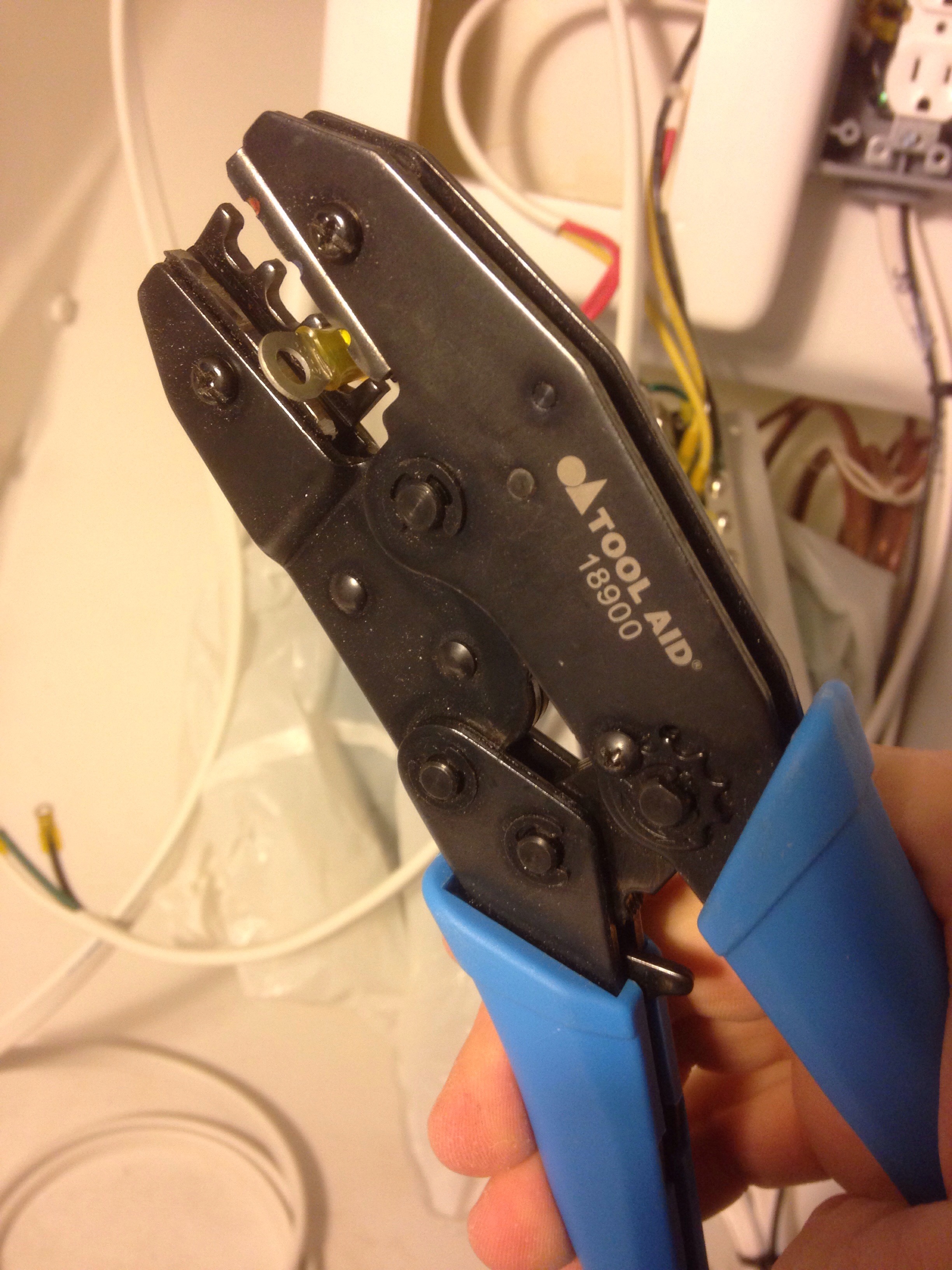
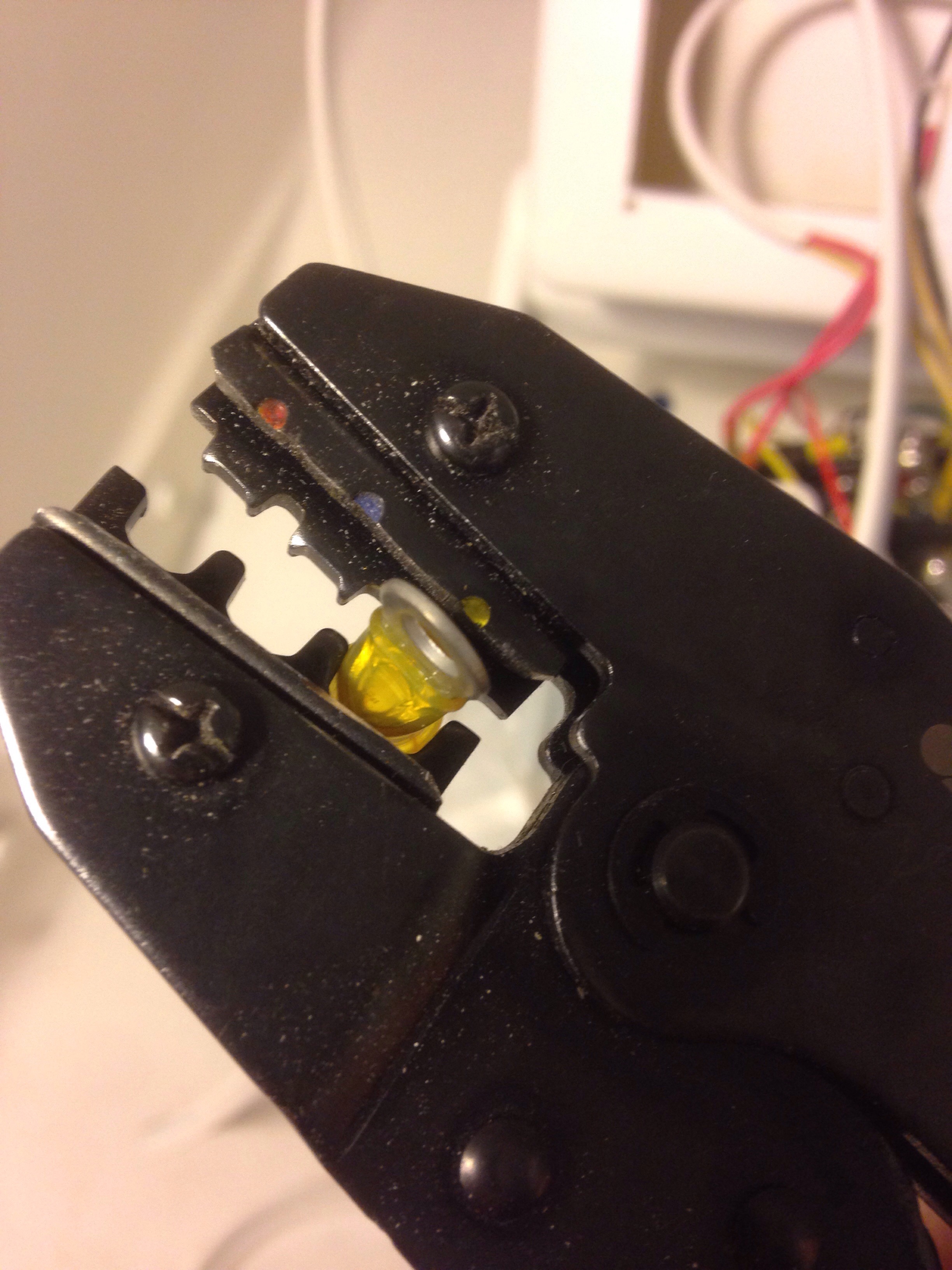
All of the smaller wire terminals were applied with a new ratcheting precise-fit crimper. Anyone doing 12volt work should get the positive-stop ratcheting tool. But with the heat shrink fittings you need a single-crimp jaw. I couldn’t find a single-style under $75, so we bought the more common double crimp for $25 delivered free from Amazon.

20160206-223840.jpg
Made sure it had removable jaws, so they could be popped out and hit with the grinder, throwing big sparks all over. A few minutes later we had single-crimp capability that didn’t mar the heat shrink portion of the terminals.

20160206-224041.jpg
With the wiring done we’re attacking the finishes needed inside the toilet and shower compartments. In a moment of clarity we decided to return to Leneman’s original suggestion of a below-the-waterline sewer tank drain (at sea only), which drastically simplifies the toilet plumbing runs, including closing up some previously made bulkhead and cabinet holes. This also finalized the thru-hulls locations, so that’ll be the next posting for you.

It’s alive!

Honey, why are your hands so dry and scratchy?, she asked. Might have something to do with using this about two hundred times this week.

20160129-232818.jpg
So a few hours after burning the prints off one finger (don’t grab for the heat gun without looking Greg!) the last lamps and pumps were connected and it was time for the moment of wiring truth. But first we needed juice. A visit to the Winglet (travel trailer you saw here two months back) to borrow the battery and it’s ready to throw the main switch.

20160129-233334.jpg
And just like that, 50 or so hours of wiring paid off.

20160129-233429.jpg

20160129-233449.jpg

20160129-233512.jpg

20160129-233530.jpg
Everything works as it should, including the two ‘big ticket’ items currently installed, the refrigerator and the windlass. We’ll detail those with more pictures soon. It was very satisfying to stand in the cockpit by the remote switch and make the windlass go up and down! The boat is coming to life.

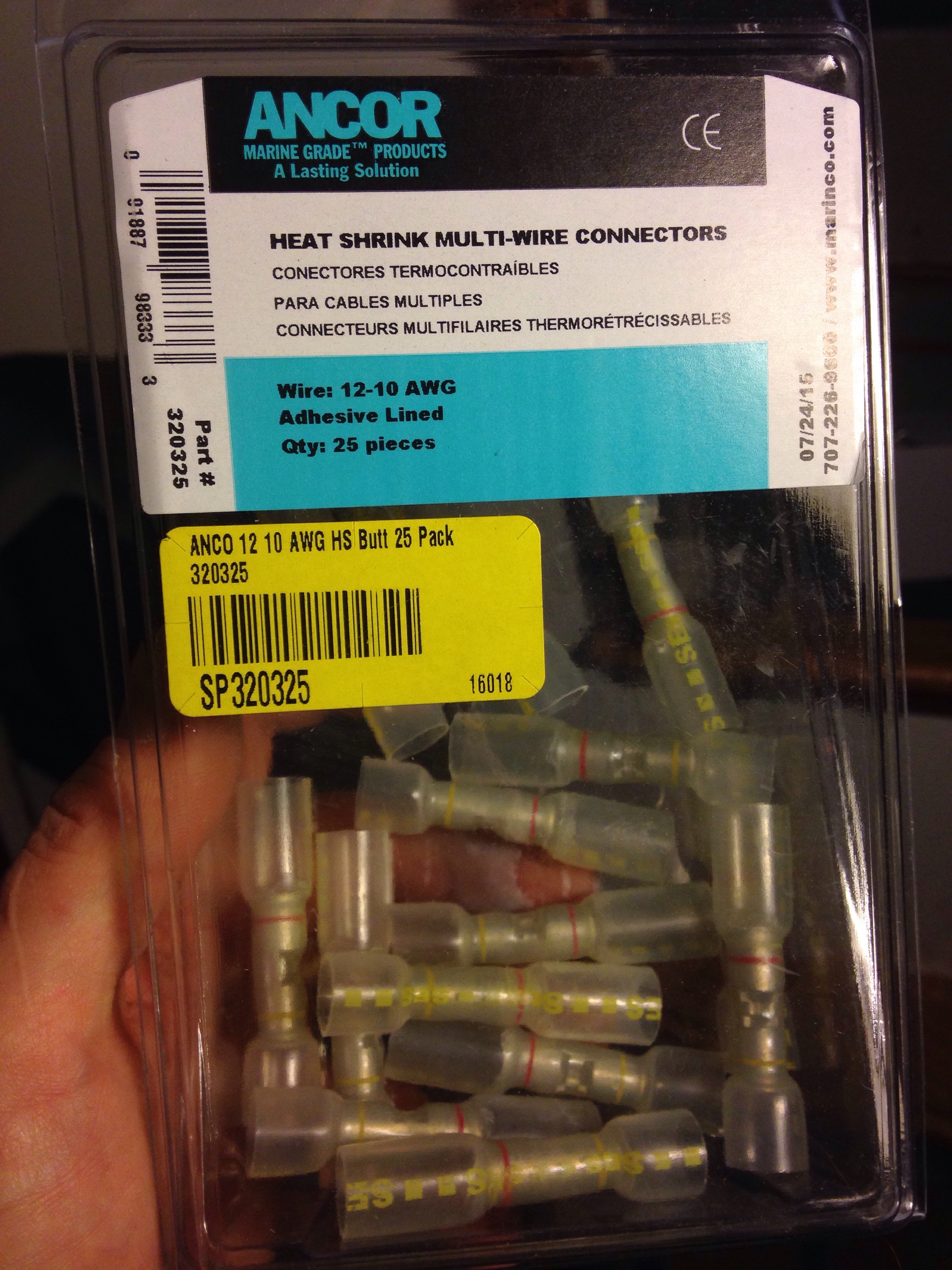
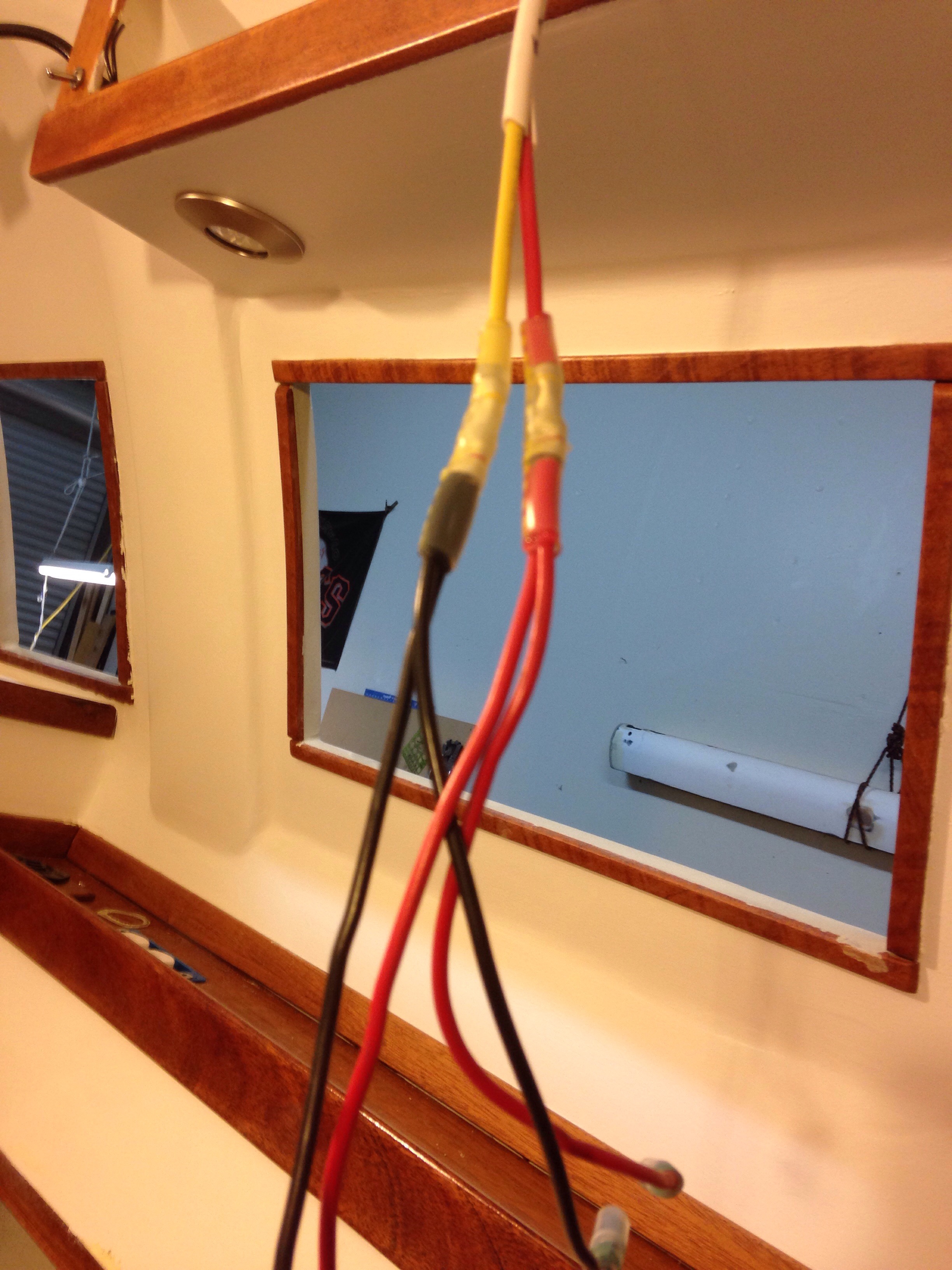
The wiring plan includes AWG 2 size conductor for the battery-to-panel runs and the windlass circuit. There’s a 100amp fuse between the battery and the panel. The windlass has its own 70amp breaker and a direct cable to the battery switch. All of the branch circuits from the panel, plus the direct-to-battery bilge pump circuit, are AWG 12. That’s a bit of overkill for some of the lower draw circuits but overall it’s safer and was easier to pull everything from one 500′ roll. There’s about a dozen feet left (the very rough calcs did the trick). The 12/2 cable presented a challenge, as most terminals for stringing small lights etc. don’t deal with that big wire. A new item in the Ancor electrics line became the mainstay of the lighting system.

20160129-234927.jpg
They are sized for one input wire and a pair out, so these allow pigtails, or highway off ramps, down to individual light fixtures. Not cheap at about $1.75 each, but it seems bulletproof for a long time.

20160129-235204.jpg

And for Cap’t Holway, I am eager to show you how EVERY wire on the boat is easily traceable and accessible beyond covers and dedicated chases.

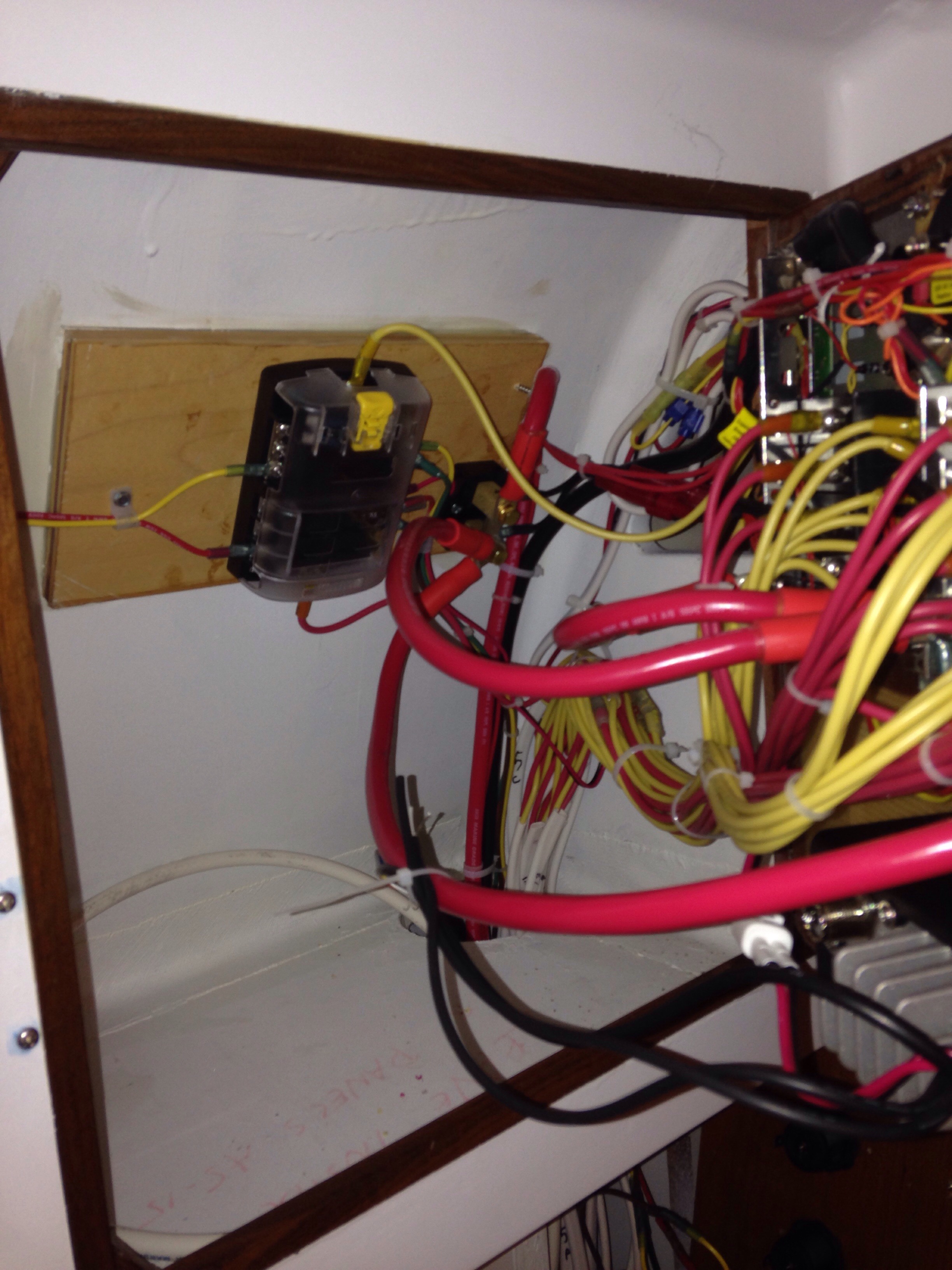
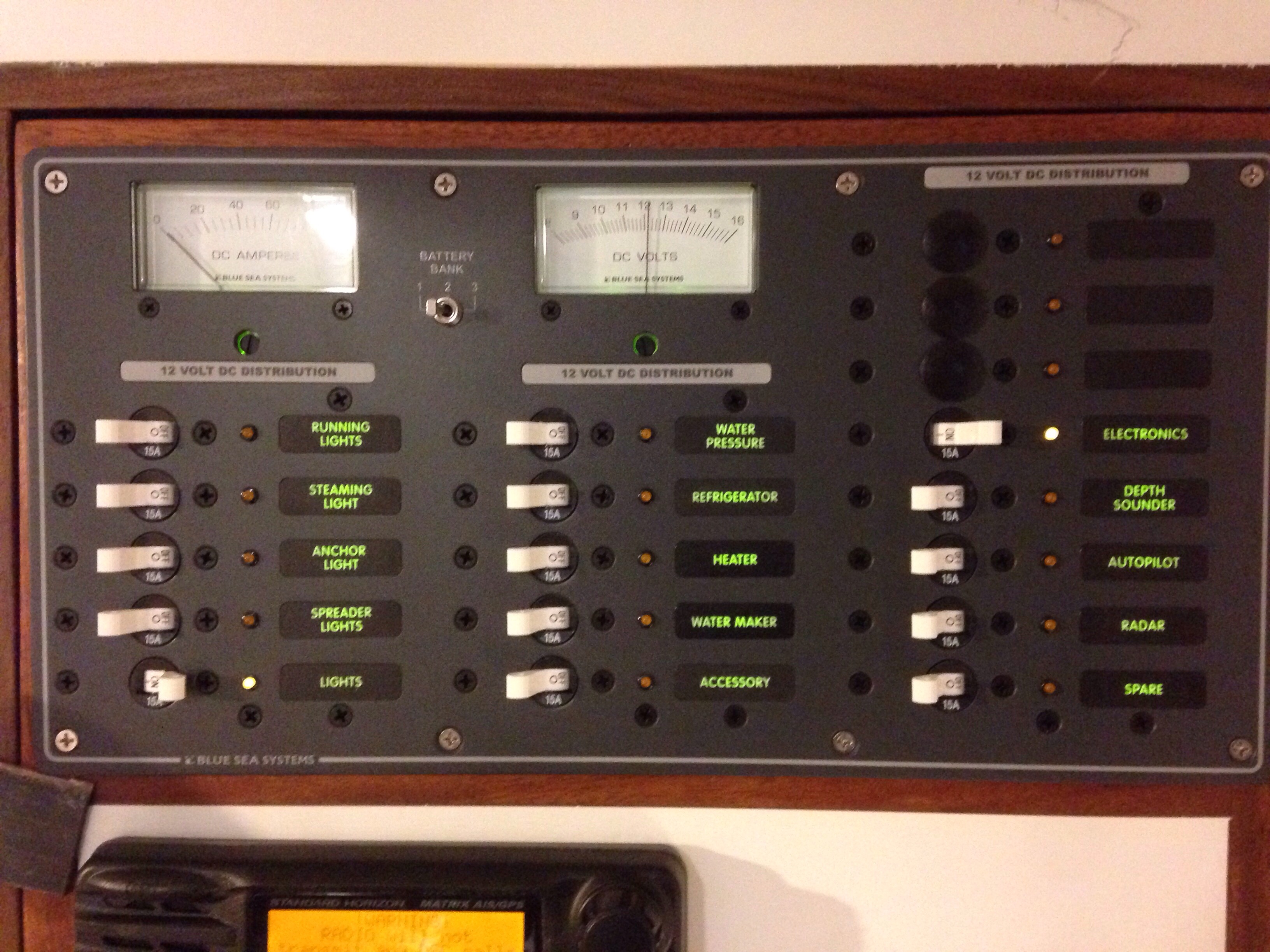
Here’s the back of the main panel now fully loaded. BlueSea’s product is great, although I made it all more challenging by mounting on a swinging door. It was tricky sizing each conductor to do a proper loop or bend for opening / closing. There were many hours fiddling around in here…
20160129-235640.jpg

20160129-235657.jpg
The small black box on the left is a sub / fuse panel just for the electronics branch circuit. The 15amp feed and return are the top and bottom wires that go to breaker #11 on the panel. Then this distribution box allows each electronic item to get its own size fuse. E.g. VHF has a 7amp, propane sniffer has a 0.5amp

Some people don’t like the LED lighting for a boat. But low power consumption, less generation worry and less battery weight is the goal for sailing fast. Tonight we switched on a bunch of the LEDs plus the radio – look at the ammeter in the panel barely registering an amp. A very good start!

20160130-000358.jpg

Best wishes for dry skies and crisp breeze to all our friends in tomorrow’s Three Bridge Fiasco. Looks like America’s biggest sailboat race has hit another entries high this year. Have fun guys!

Crimp my style

Throughout wiring the boat we’re guarding against voltage drop – the problem when too small of a wire gauge impedes the juice by excess resistance (heat, if bad). The anchor windlass has a big motor under heavy load pulling spikes of 50 amps so it needs a big thick cable run back to the batteries. BlueSea electrics, and many others, provide handy wire sizing charts based on electrical load and distance. Our windlass circuit is about 50′ out and back, times the 50 amps = 2500 ‘ampfeet’ on the chart, pointing to AWG 2 conductor wire. That’s also the appropriate size for the 15′ circuit from the batteries to the 100 amp main circuit breaker panel. So with about 35′ each of red and black AWG 2, we got busy cutting and crimping.

20160123-230230.jpg

20160123-230303.jpg
After fretting over who to bug for big lug crimpers, we finally remembered squirreling away these swaging clamps, and they do a great job with the cable lugs. These two 23′ cables for the windlass added another 7 or 8 lbs to the boat.

20160123-230738.jpg
Then we have a number of runs between batteries, ammeter shunt, main fuse, the panel, etc. Some of those in process:

20160123-230911.jpg

20160123-230935.jpg
Overall the wiring is clipping right along, except that back orders on the many sizes of various fittings are causing lots of stalls. All in good time I suppose. The nav station is coming together with the VHF, the propane controller, a USB port and a cig-lighter style port. The battery switch and windlass breaker got some of those big red jumper cables shown above.

20160123-231436.jpg

20160123-231455.jpg
Up on the bow we trial fit the windlass foot switches, which have waterproof housings around their wires, protruding below deck. So they need a pass-thru. Bonding in tubes is a great way to go. These are cheap carbonfiber pieces from Tap Plastics. If the hole is for bolts, use G10 glass tubes for strength.

20160123-231826.jpg

20160123-231845.jpg

20160123-231902.jpg
We’ll show you the windlass switch wiring after the deck is painted and we come back for the final install.
Tomorrow we’ll continue with interior lighting.

Here are hundreds of cell phone lights behind Bruce Springsteen on Tuesday night in Chicago as he sang a tribute farewell to Glenn Fry. We were taking bets on what he’d pick. I won – ” Take It Easy”. Standin in a corner in Winslow Arizona, such a fine site to see, it’s a girl my Lord in a flatbed Ford, slowing down to take a look at me… (You can take it from there :)

20160123-232855.jpg